Pediatric Oncology

Prof. Dr. Olaf Witt
Welcome to the homepage of the Clinical Cooperation Unit Pediatric Oncology, where we are dedicated to advancing pediatric cancer research through the translation of preclinical findings into clinical trials.

Team
-
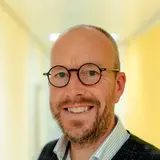
Prof. Dr. Olaf Witt
-

Franziska Abele
-
Bilal Amjahid
-
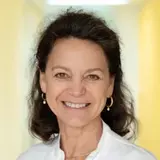
Prof. Dr. med. Ute Bartels
-
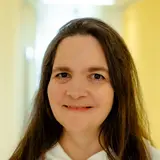
Sonja Bastuck
-
Pauline Becker
-
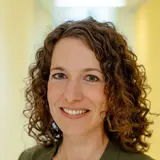
Dr. Carina Bodden
-
Dr. Juliane Buhl
-
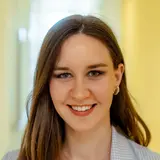
Dr. Simay Celikyürekli
-
Andres Jose Dubach Paimann
-
Dr. Jonas Ecker
-
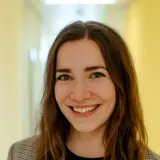
Marta Emperador Melero
-
Fabienne Engelmann
-
Lukas Erler
-
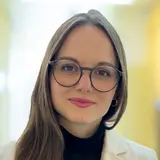
Laura Fankhauser
-

Emma Fernandez Tendolkar
-
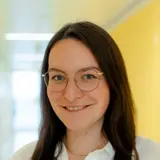
Aileen Friedenauer
-
Maria Gschwind
-
Dr. Mariam Haffa
-
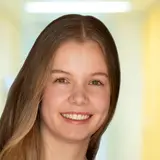
Emily Cecilia Hardin
-
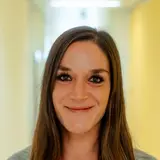
Melanie Heiß
-
Helene Hellstern
-
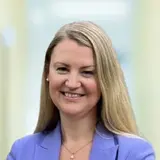
Alexandra Heuser
-
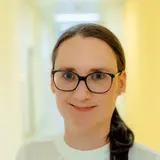
Elisabeth Rebecca Hillier
-
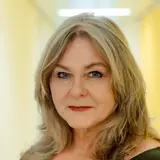
Anette Hugo
-
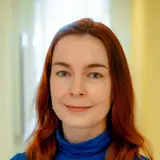
Dr. Anna Kolodziejczak
-
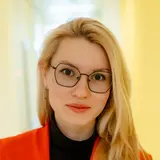
Lidiia Korchmar
-
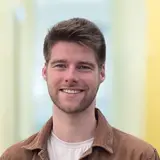
Simon Krost
-
Thomas Elias Lindenhofer
-
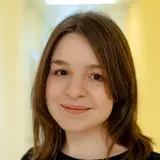
Anna Loboda
-
Katharina Mair
-
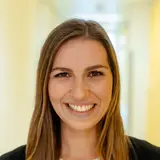
Maike Maurer
-
apl. Prof. Dr. Till Milde
-
Elena Moch
-
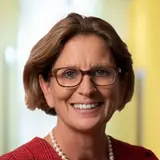
Prof. Dr. Martina Muckenthaler
-
Carina Müller
-
Dr. med. Konstantin Müller
-
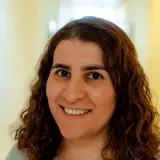
Dr. Sara Najafi
-
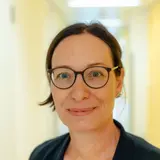
apl. Prof. Dr. Ina Oehme
-
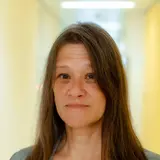
Dr. Heike Peterziel
-
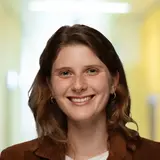
Elisabeth Pezzuto
-
Dr. Bettina Reischmann
-
Richard Rövenich
-
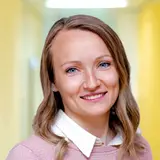
Viktoria Sachs
-
Rabia Salem-Altintas
-
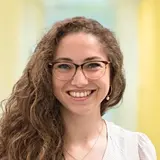
Sophia Scheuermann
-
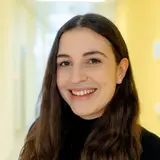
Annsophie Schmidt
-
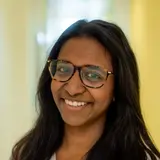
Venukah Schäfer
-
Till Seiboldt
-
Dr. Christian Seitz
-
Dr. Florian Selt
-
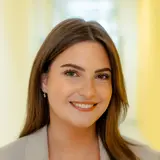
Ina Siebig
-
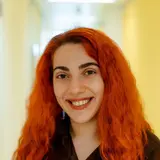
Kyriaki Smyrilli
-
Valentin Sonntag
-
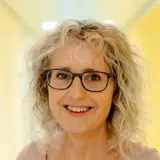
Sabine Steinecker-Mikkat
-
Alexandra Stroh-Dege
-
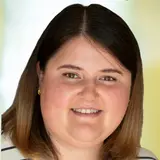
Tetiana Syzonova
-
Nadja Utz
-
Prof. Dr. Cornelis van Tilburg
-
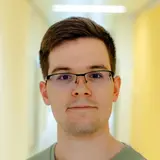
Marko Weidmann
-
Ruth Witt
-
Kathrin Wolsing
-
Constantia Zeiser
-
David Zellhofer
-
Simon Zeuner
-
Dr. Cecilia Zuliani


Get in touch with us
