Precision Sarcoma Research
- Functional and Structural Genomics
- NCT
- Junior Research Group

Dr. Priya Chudasama
Group leader
We investigate molecular and clinical profiles of sarcomas through structural and functional genomics approaches to better understand sarcomagenesis and nominate biomarkers and precision therapeutics for clinical evaluation in sarcoma patients.
Leiomyosarcoma and other sarcomas with high chromosomal instability

Sarcomas with high chomorosmal instability (CIN) are challenging subset of sarcomas as they display substantial intratumor heterogeneity, and lack a recurrent driver that could be targeted directly or via secondary dependencies. High-CIN sarcomas sub-entities include, among others, leiomyosarcoma, myxofibrosarcoma, and osteosarcoma. A frequent but therapeutically unexploited feature of high-CIN sarcomas is loss of the chromatin remodelling factor ATRX, which is associated with activation of alternative lengthening of telomeres (ALT) pathway. ALT consistently tracks with aggressive disease and inferior survival relative to canonical TERT-mediated telomere maintenance. Building on our initial observation of frequent ALT in leiomyosarcoma (Chudasama et al., 2018), within the Precision Sarcoma Research Group, we developed a comparative genomics framework to define ALT prevalence, biology and vulnerabilities across sarcoma to assess its potential as a common denominator.
Thus far, we have screened >800 human sarcoma tumor samples to identify frequency of ALT in various sarcoma sub-entities. Following this stratification, we have employed integrative multi-omics analysis to identify genetic alterations that separate ALT-positive tumors from the ALT-negative tumors to identify ALT-associated aberrations that may be targetable directly or via secondary dependencies. Using a large panel of rare sarcoma cell lines and patient-derived xenografts, we are validating the “druggability” of candidate alterations and mechanistically characterizing those using phospho-proteomics to lay the groundwork for nominating ALT-specific targets for evaluation in the clinical setting. Moreover, we are developing methods to address the impact of heterogeneity in telomere maintenance mechanisms using machine learning tools (Belova et al. 2023 biorXiv) and spatially resolved technologies (Frank et al. Nucleic Acids Res 2022).
See our latest work on comparative genomics on ALT+ and ALT- complex sarcomas, and discovery of ALT-associated “telomere healing” mechanism, bioRxiv, under revision in Nature Communications here https://www.biorxiv.org/content/10.64898/2026.05.17.725728v2
Clear cell sarcoma

Clear cell sarcoma (CCS), originating from neural crest cells and driven by EWSR1-ATF1 fusion protein, is particularly devastating, as quite often it is frequently diagnosed late, with disseminated metastasis, associated with an accelerated clinical course, and displays complete resistance to chemotherapy and radiotherapy. Targeted protein degradation approaches that exploit the cellular protein degradation system by induced proximity with ubiquitinylating E3 ligases, have expanded the “druggable” proteome, and we asked if this could be applied to EWSR1-ATF1.
Our recent work has identified E3 ligase regulating the stability of EWSR1-ATF1 fusion protein. By leveraging functional genomics tools, we have uncovered perturbation of homeostasis as an entry point for metabolic vulnerabilities in clear cell sarcoma, which our team is currently investigating as a therapeutic target in CCS.
Follicular dendritic cell sarcoma

One example of ultra-rare sarcoma is follicular dendritic sarcoma (FDCS) that originates from follicular dendritic cells (FDCs). Diagnosis of FDCS is difficult due to histological similarities with many epithelial, mesenchymal, meningeal, or lymphoid malignancies. FDCS patients have poor prognosis and are still commonly treated with a lymphoma chemotherapy regimen (CHOP) despite evidence of mesenchymal origin of FDCs. We have assembled a cohort of >30 FDCS samples and have characterized the genomic and transcriptomic landscape of alterations, which led to identification of previously not described targetable lesions and oncogenic mechanisms, such as BRAFV600E mutations and telomerase overexpression by enhancer hijacking. Results of our analysis have led to clinical benefit to FDCS patient and we have identified a rare histological subtype of this ultra-rare sarcoma, and identification of distinct spatial ecotypes. We continue to characterize this intriguing disease using DNA methylation landscape and spatial technologies.
Artificial Intelligence in Deciphering Metastasis

Cancer metastases are strongest contributing factor to cancer-related mortality. Despite significant progress, the early detection and precise prediction of metastasis remains a major unresolved issue in cancer research. Funded by the National Decade Against Cancer Initiative of the German Federal Ministry of Education and Research, the innovative DECIPHER-M research project involves members from Aachen, Dresden, Essen, Heidelberg, Mainz and Munich who are pursuing an interdisciplinary approach that aims to decipher the complex mechanisms of cancer spread using state-of-the-art AI technologies.
DECIPHER-M addresses this with a unique approach using a new form of artificial intelligence (AI) called multimodal foundation models. In this project, these models are used to analyze a wide range of data, such as radiological images, pathological reports and genetic information of a patient together. This will answer fundamental questions about metastasis, such as the mechanisms of its occurrence, the potential to predict who might develop it and where, and what type of treatment might be most effective for different patients.
In addition, DECIPHER-M will provide practical tools that can be applied to individual patients to customize screening and treatment in cases at high risk of metastasis. Specifically, these tools aim to predict the most effective treatment for individual patients with metastatic disease so that these patients can be treated more effectively.
Priya Chudasama leads the Sub-project 8, which is dedicated to bridging foundational AI models with clinically actionable insights by elucidating the biological underpinnings of selected uni-modal and multi-modal signatures. With a strong research focus on sarcomas—a heterogeneous and rare group of malignancies—our team is eager to explore both their commonalities and distinctions relative to more common cancers, particularly in the context of mechanisms of metastasis development and diagnosis. This inquiry may help us tackle the challenge of data sparsity around rare cancers by implementing AI approaches. Finally, in collaboration with Cindy Körner and Markus Wartenberg of the NCT and DKFZ Patient Advisory Council as well as a nationwide network of patient representatives, Priya coordinates the patient-partnered research initiatives of the consortium.
Team
-
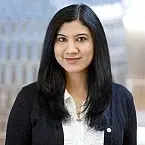
Dr. Priya Chudasama
Group leader
-

Pooja Balasandran
-
Nicola Biondi
-
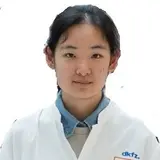
Wenxin Chao
MD student
-
Fenja Guyot
-

Dr. Kamini Kaushal
Postdoc
-

Julien Picotto
Postdoctoral Researcher


Gallery

Funding

Get in touch with us
