Molecular Thoracic Oncology
- Functional and Structural Genomics

Prof. Dr. Rocio Sotillo Roman
Group Leader

Our Research

Our research is focused on understanding the genetic and molecular basis of lung and breast cancers by studying various oncogenic drivers and specific genetic alterations that drive cancer progression. Using advanced genetically engineered mouse models, we examine how distinct gene expression profiles influence tumor aggressiveness and responsiveness to treatment. A key part of our research involves identifying biomarkers predictive of poor therapeutic outcomes, aiming to develop more precise cancer therapies.
Methods and technologies
Our research leverage several cutting-edge technologies:
- Genetically engineered mouse models to closely mimic human cancer.
- CRISPR/Cas9 technology for precise genetic modifications to study the impact of specific genes on cancer.
- Lineage tracing, this technique traces the evolution and differentiation of cancer cells, offering insights into tumor development.
- Epigenome and single-cell transcriptome analysis, help us explore gene expression and regulatory changes at the single-cell level, enhancing our understanding of cancer cell behavior.
- 3D in vitro culture systems that allow us to study cancer growth in environments that closely mimic physiological conditions.
Goals and societal relevance
The overarching goal of our research is to advance our understanding of cancer biology to discover new therapeutic targets and strategies. By dissecting the molecular mechanisms of tumor progression and genetic instability, we strive to develop more effective treatments. Our efforts support the German Cancer Research Centre’s mission to address major challenges in cancer research, particularly in identifying and overcoming resistance mechanisms to improve patient outcomes.
Projects

Deciphering the Genetic Landscape of Non-Small Cell Lung Cancer: Fusion Variants and Therapeutic Opportunities
Non-small cell lung cancer (NSCLC) is one of the most common and deadly cancers worldwide. A significant driver of NSCLC is the fusion between the genes anaplastic lymphoma kinase (ALK) and echinoderm microtubule-associated protein-like 4 (EML4). To date, approximately 15 distinct EML4-ALK fusion variants have been identified, each with unique characteristics affecting their stability, genomic localization, responsiveness to targeted therapies, and implications for prognosis.
Our research is dedicated to unraveling the intricate mechanisms that drive development and progression of these fusion variants. We are particularly interested in how co-occurring genetic alterations, such as the loss of TP53, influence the behavior of these variants and identify new therapeutic targets. Beyond EML4-ALK fusions, our team is exploring other chromosomal rearrangements that contribute to NSCLC pathogenesis, including the effects of Y-chromosome loss, and the role of specific epigenetic regulators such as Kdm5d and Uty in the disease.
To probe these genetic intricacies, we leverage CRISPR/Cas9 gene editing to generate genetically engineered mouse models, enabling the inducible expression of specific gene fusions and the targeted inactivation of genes associated with NSCLC. Our approach integrates cutting-edge techniques, including tailored in vivo tumor models that mimic human disease, organoids derived from mice and patients, and sequential gene perturbation assays conducted in vivo. This comprehensive methodology not only replicates the histopathological and molecular characteristics observed in human lung cancer but also provides a powerful platform for dissecting NSCLC's molecular drivers and developing groundbreaking treatment options.

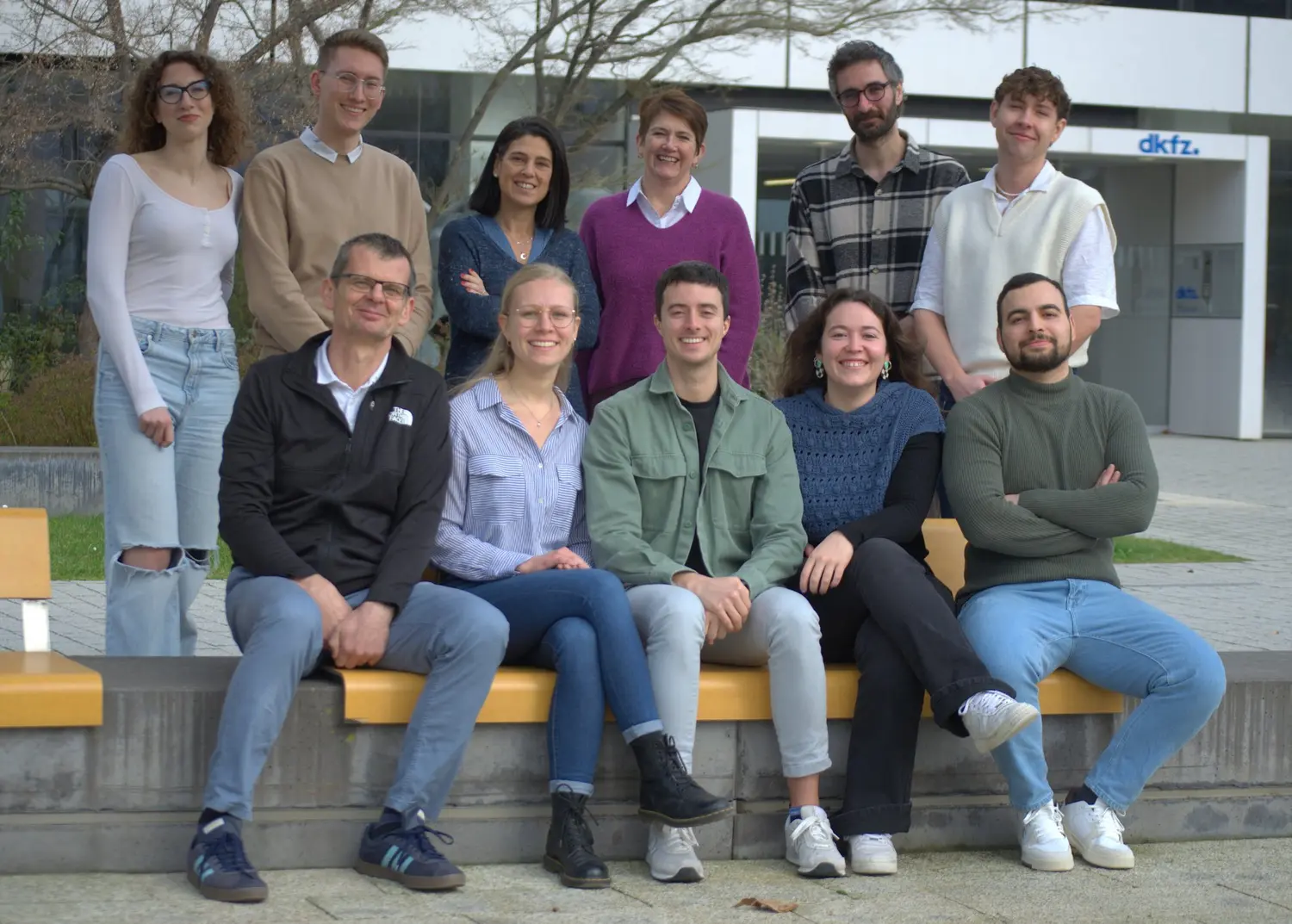
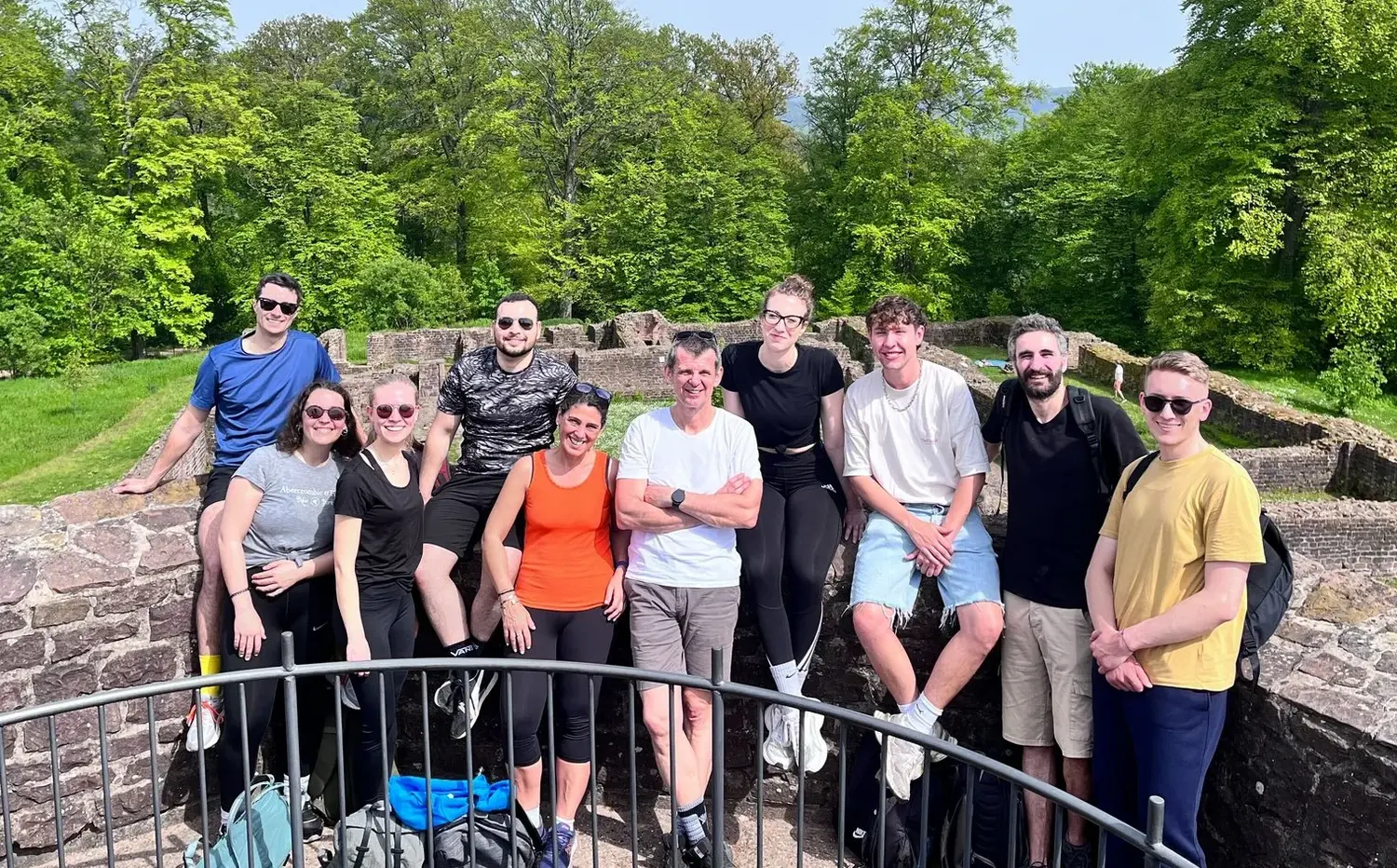
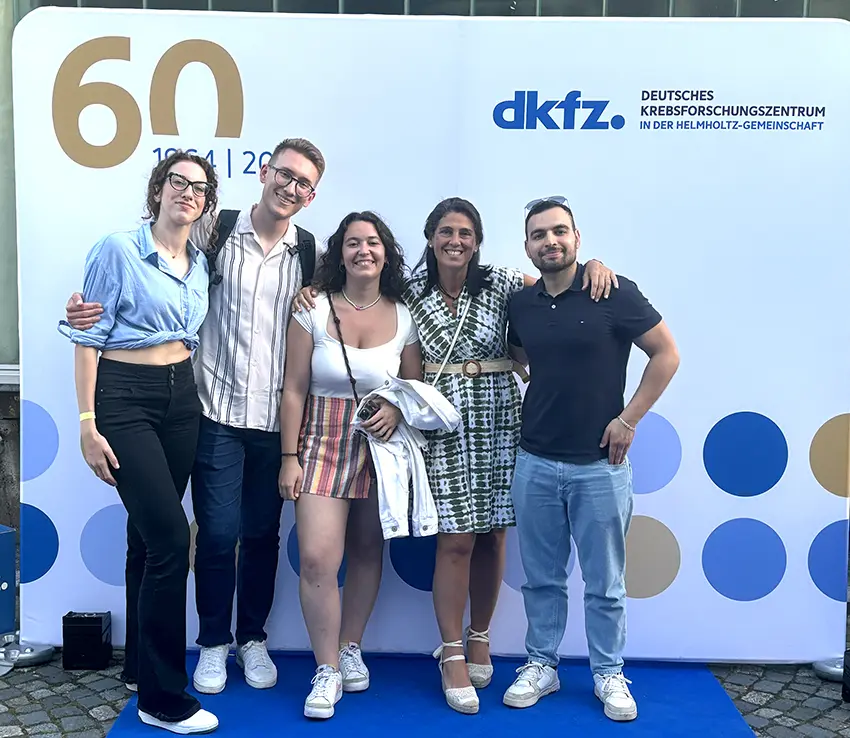
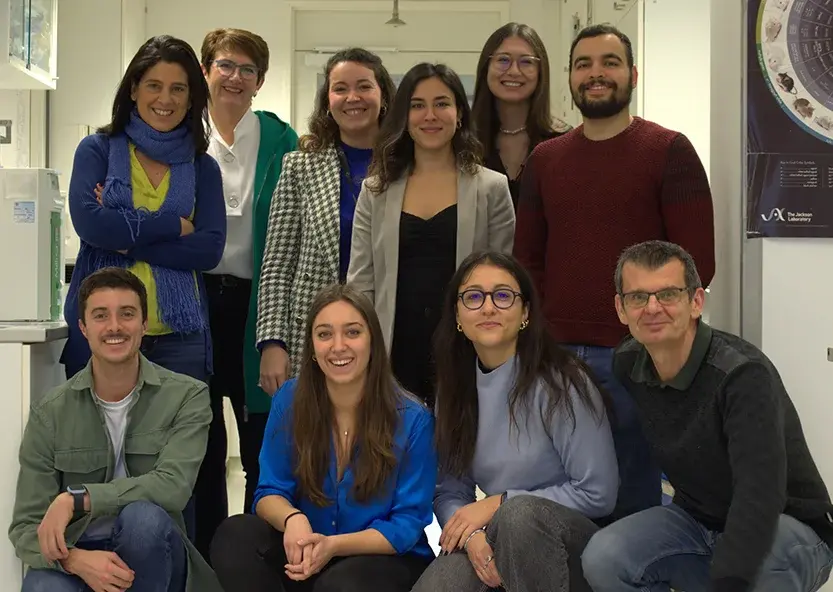
Lab pictures
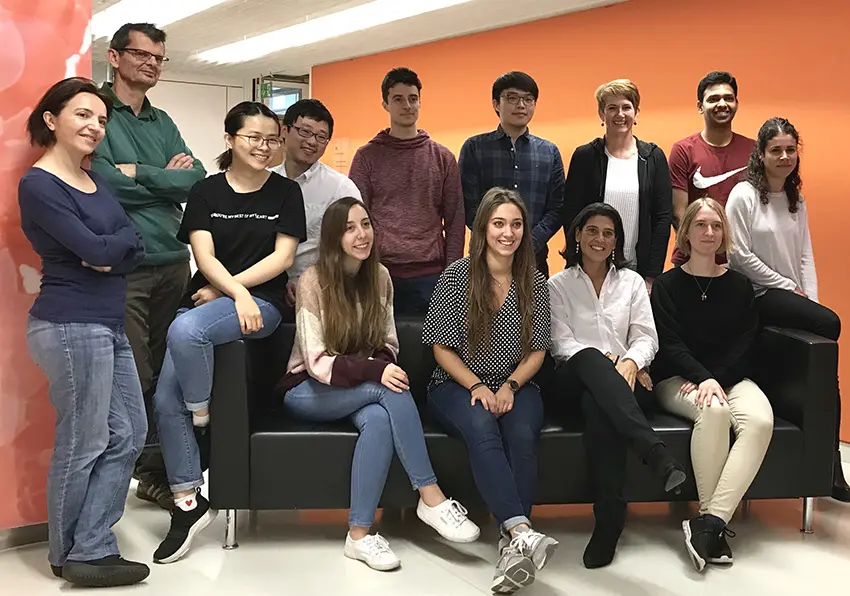
Team
- Show profile
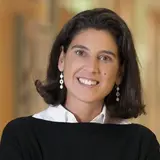
Prof. Dr. Rocio Sotillo Roman
Group Leader
- Show profile

Maria Bandeira Ferreira Ramos
PhD student
-

Ayushi Bhanushali
-
Natascha Bäuerle
Ph.D. Student
- Show profile
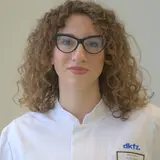
Maria Capone
PhD student
- Show profile
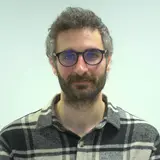
Can Gürkaslar
Lab technician
-
Janina Hattemer
Visiting student
-
Anoushka Imo
- Show profile

Amelie Mahr
PhD student
- Show profile
Mulham Najajreh
PhD student
-
Laura Saverino
-
Valeria Seifert
-
Steve Paul Smarduch
- Show profile

Dr. Kalman Somogyi
Senior scientist


Get in touch with us
