7th Summer School in Medical Physics 2026

Introduction

Image shows a large 3D printed object resembling a cross-section of a human organ, placed beside a 3D printer. Text at the bottom highlights the "7th Summer School in Medical Physics" focusing on "3D Printing Techniques and Concepts in Medical Physics," with a date of 2026. 3D-printed slab of a pregnant patient derived from CT data, printed on the Stratasys J850. The right half of the model is overlaid with the corresponding CT image acquired from the printed slice.
3D-printed slab of a pregnant patient derived from CT data, printed on the Stratasys J850. The right half of the model is overlaid with the corresponding CT image acquired from the printed slice.

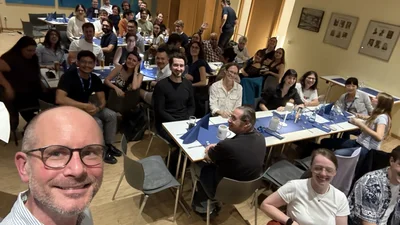
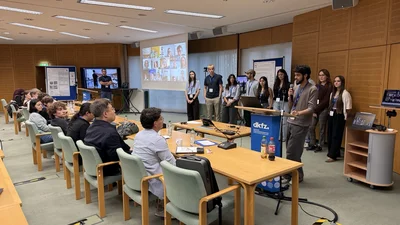
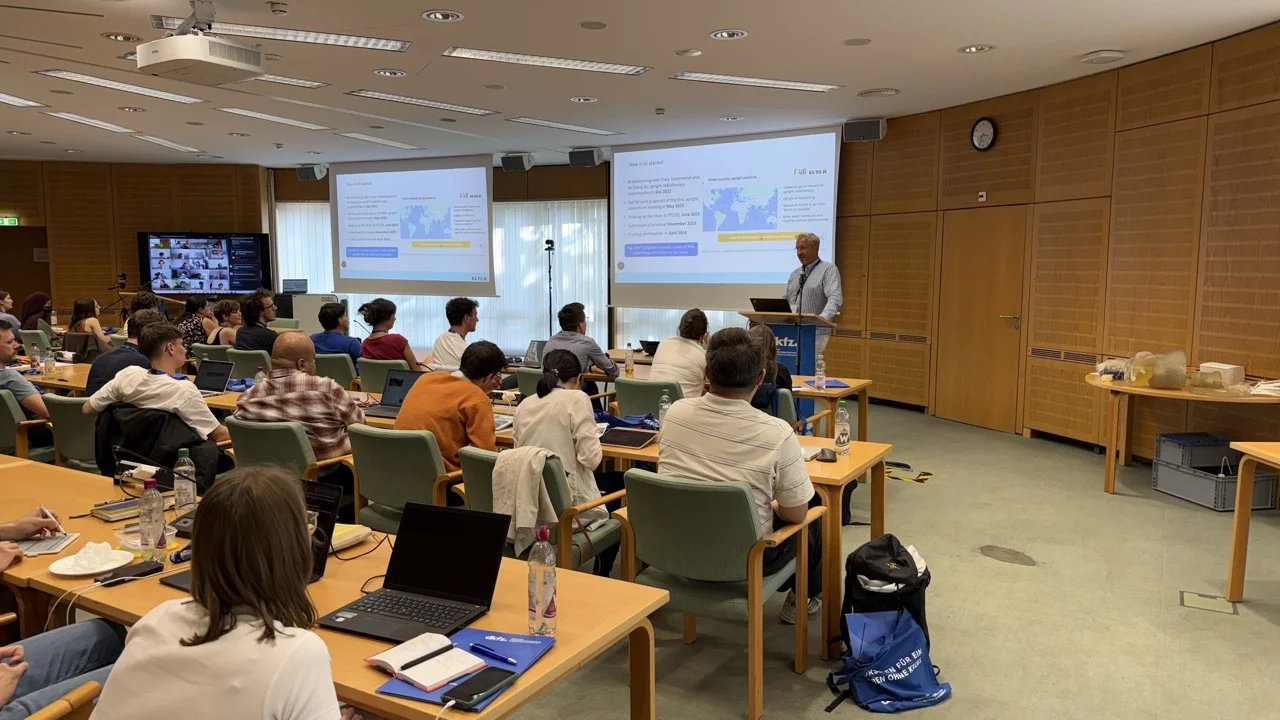
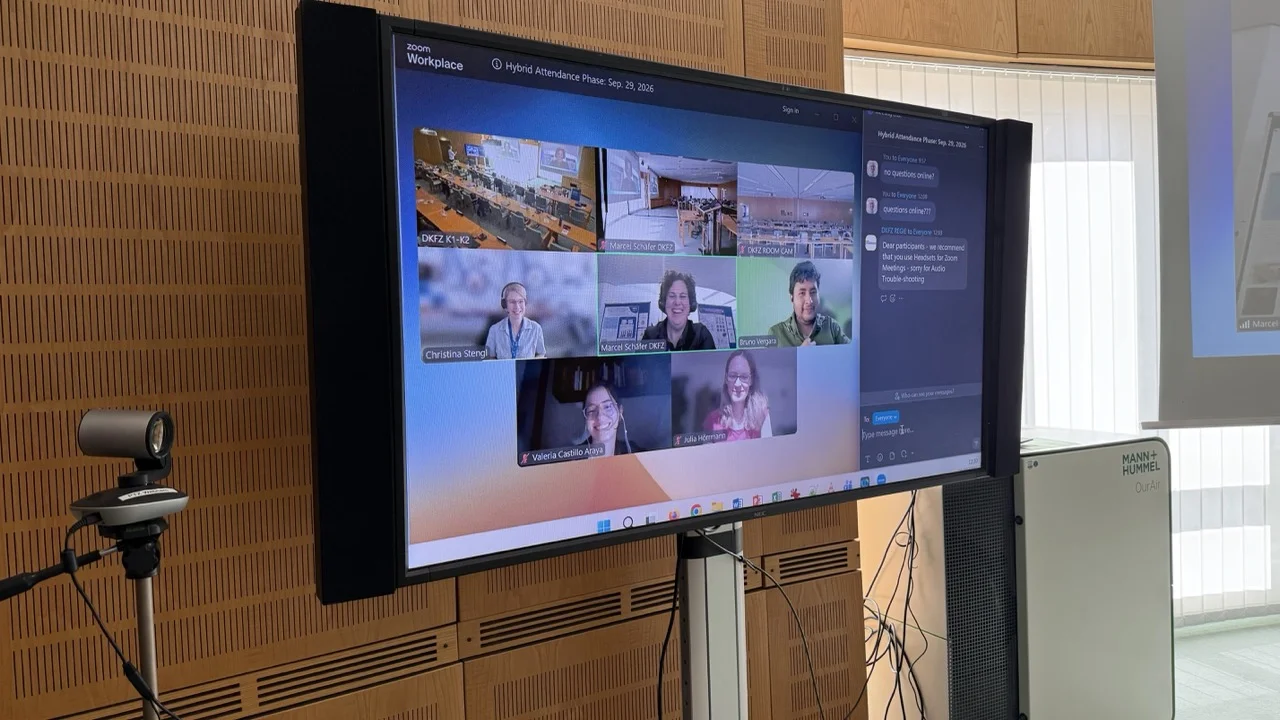
We are happy to announce our 7th Summer School in Medical Physics about 3D Printing Techniques and Concepts in Medical Physics, to be held in August and September 2026. The course is organized under the auspices of the Heidelberg Institute of Radiation Oncology (HIRO) in close cooperation with our partners (see below). The summer school is subdivided into an online phase of about five weeks and an attendance phase of one week. The attendance phase is organized as hybrid model, such that all sessions of the attendance phase are additionally available online via Zoom. Thus, participants can decide to follow the course online and on site or 100% virtually. The teaching language is English. 

This summer school provides a comprehensive introduction to the role of 3D printing in medical physics, with a particular focus on applications in radiotherapy. Participants will gain insight into how additive manufacturing technologies are currently used in clinical and research settings, as well as the opportunities and challenges associated with their implementation. The program begins with a refresher on key radiotherapy principles to ensure a common foundation for all attendees. Building on this, we will explore different radiotherapy concepts where 3D printing can offer innovative solutions, supported by examples of ongoing projects and applications. Participants will also be introduced to the software workflows required for medical 3D printing, from image segmentation to model preparation and printer operation. In addition, we will address important regulatory and quality assurance considerations that arise when producing 3D-printed devices intended for patient use. 

A central highlight of the summer school is a hands-on workshop covering the complete development cycle of a 3D-printed phantom. The course concludes with an overview of current applications and future directions of 3D printing in medical physics, providing participants with practical ideas they can apply in their own institutions. Participants can also join an optional project management as well as presentation and rhetoric workshop to improve their skills.  

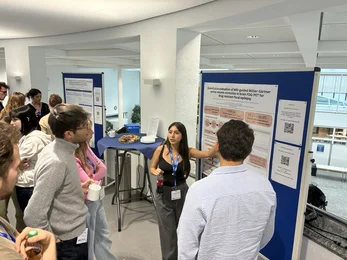
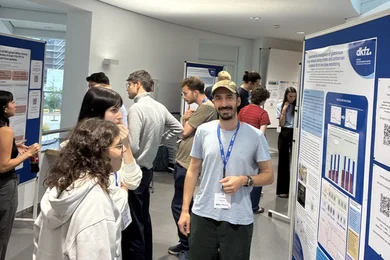
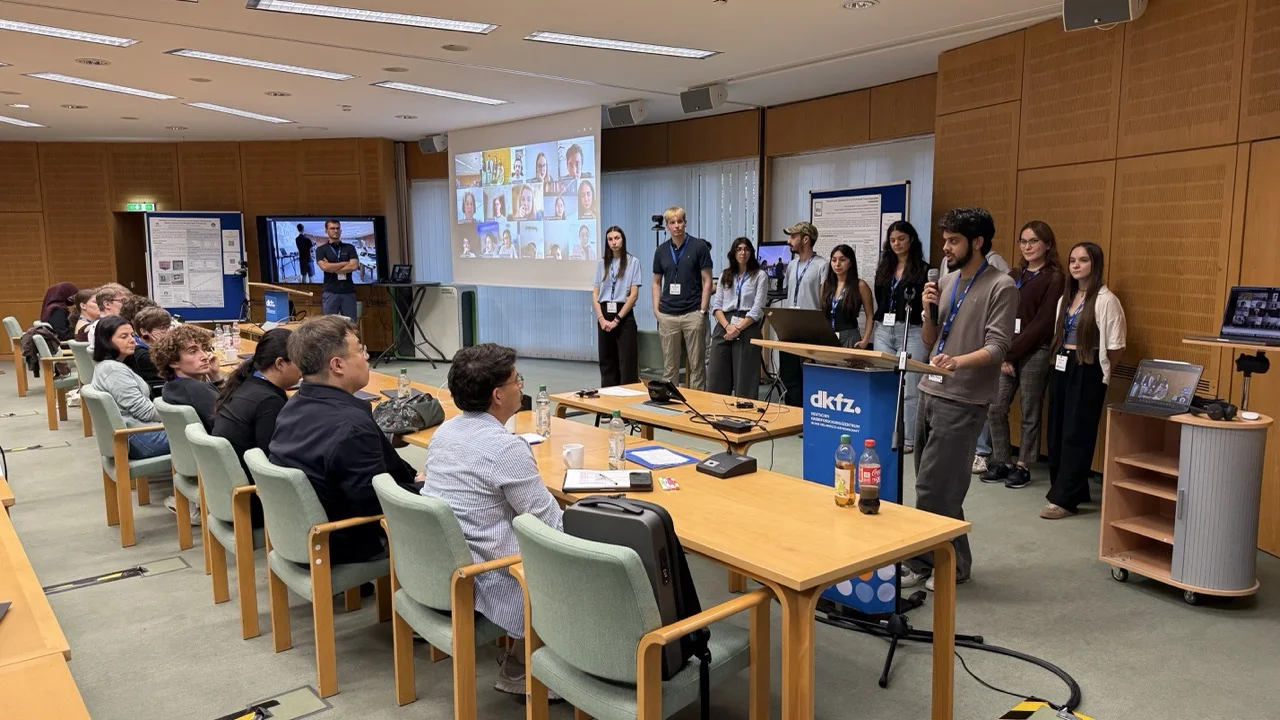
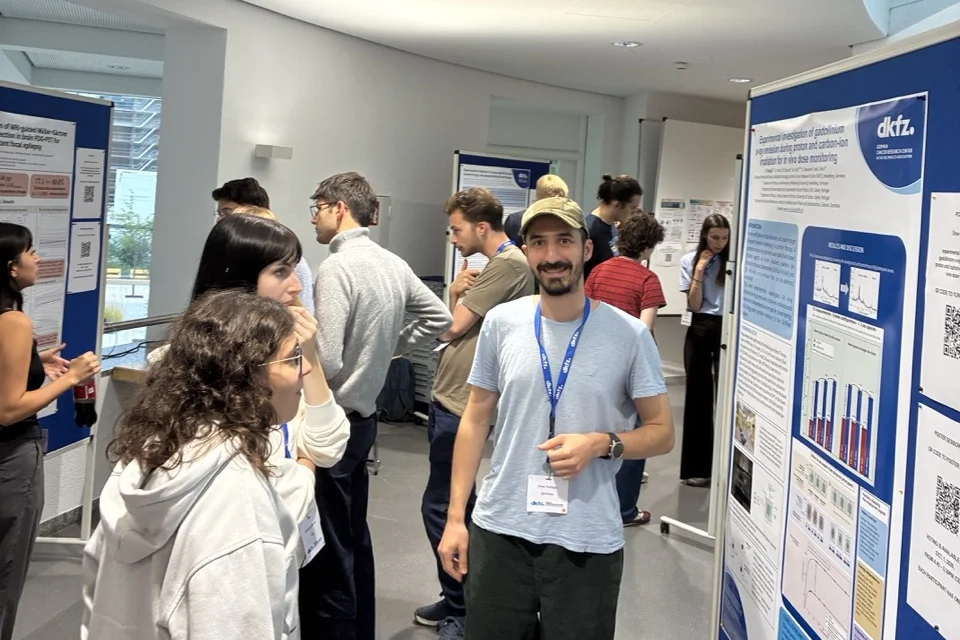
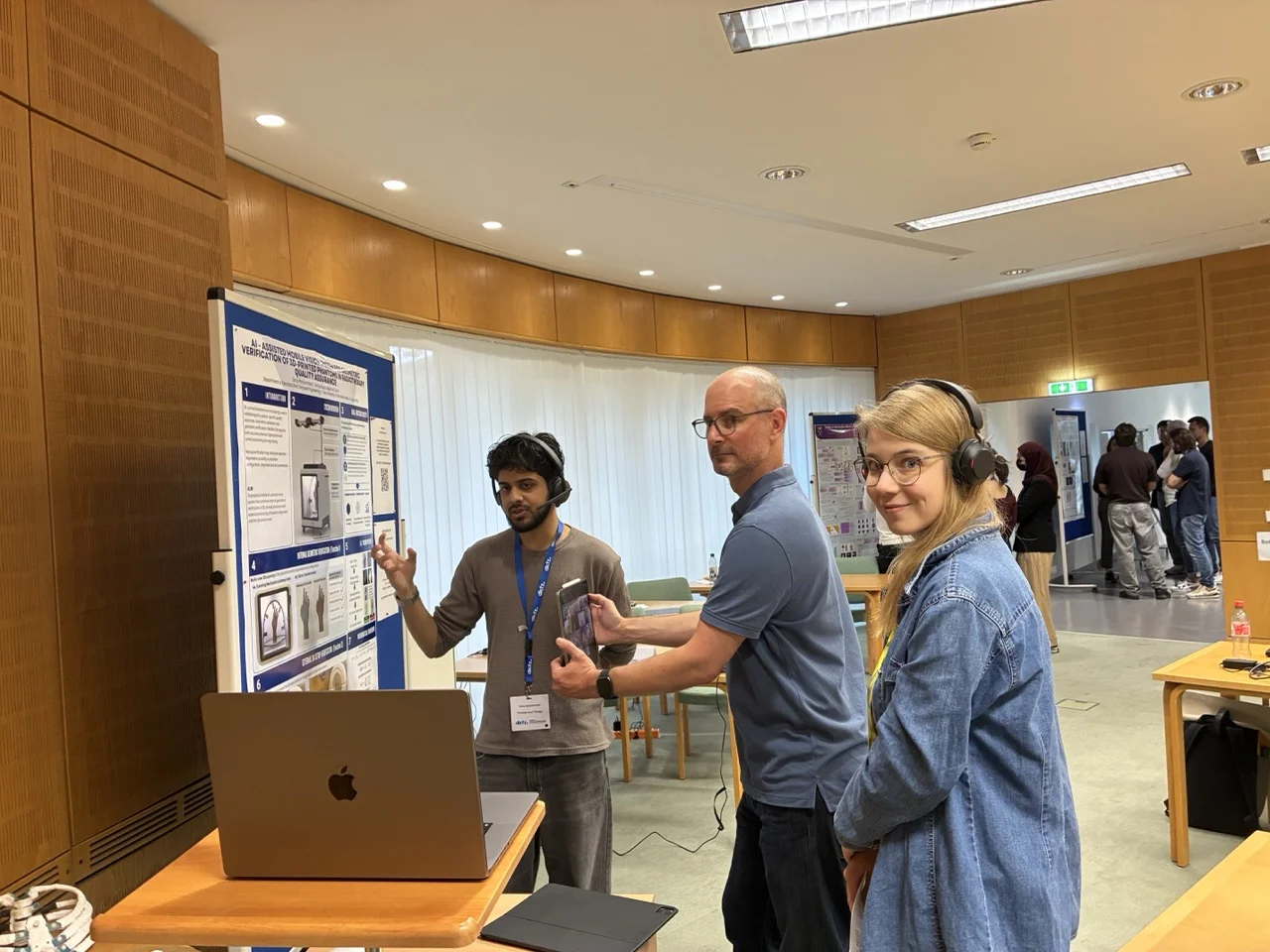
Furthermore, we invite everyone to submit their abstracts to contribute to our science slam or our poster session. We are very much looking forward to your registrations and your contributions. 

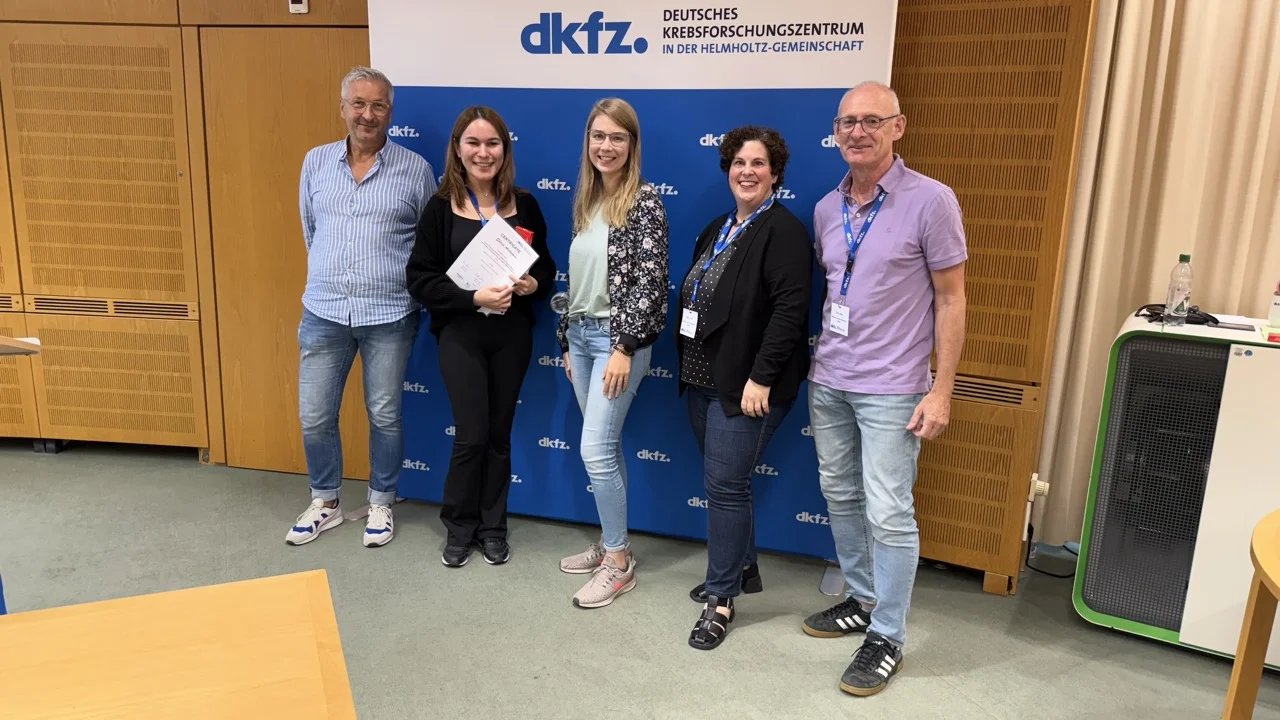
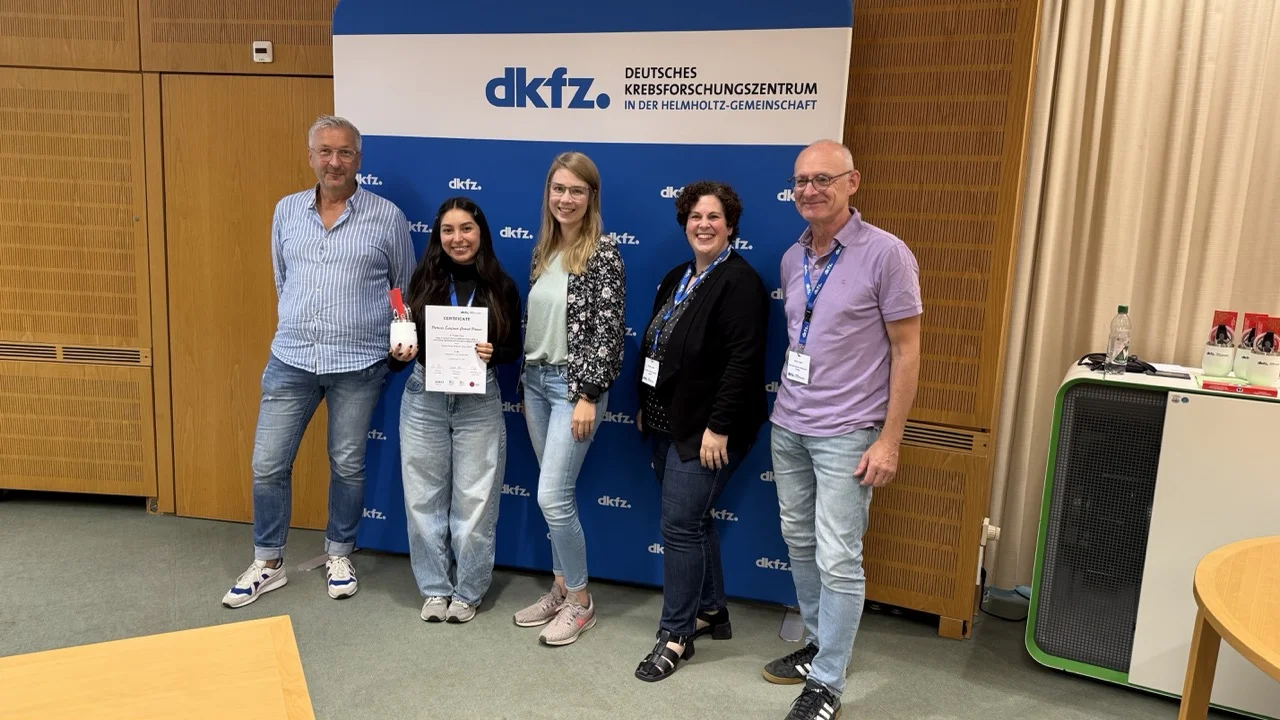
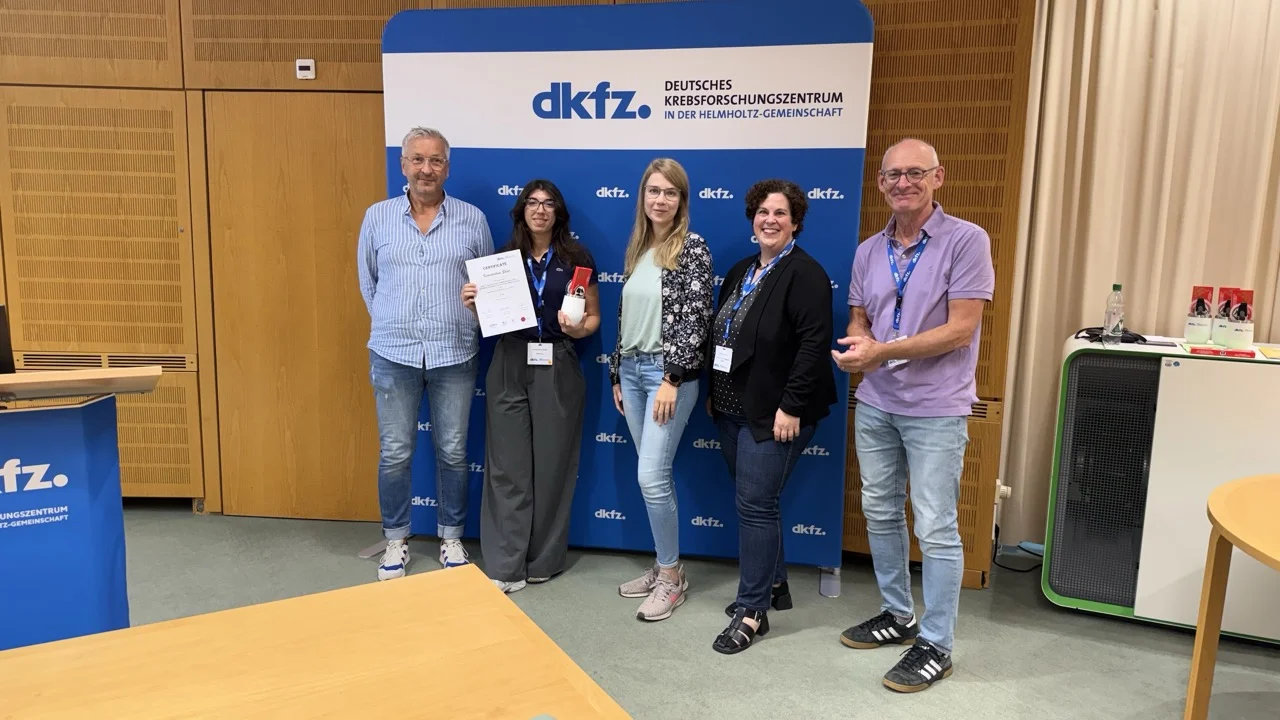
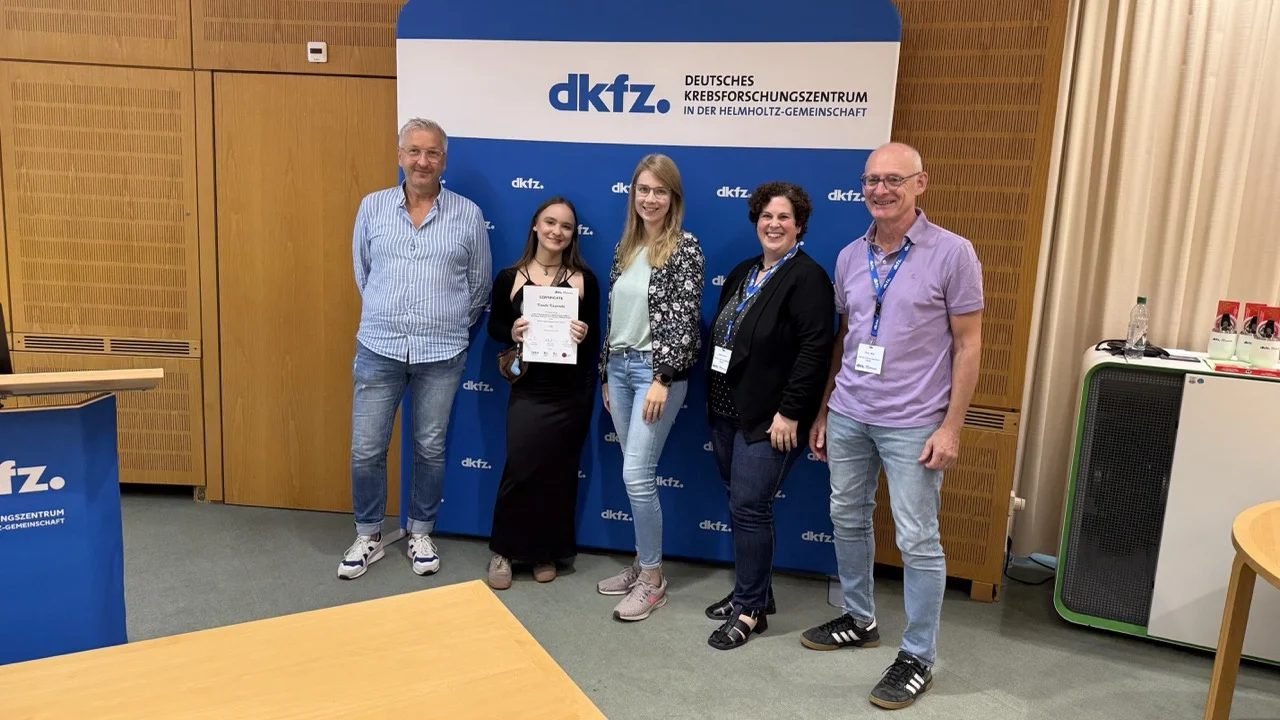
Target Group, Certificates and Awards

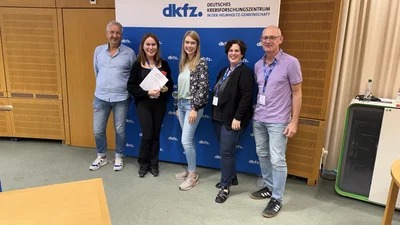
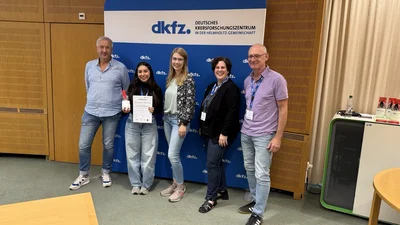
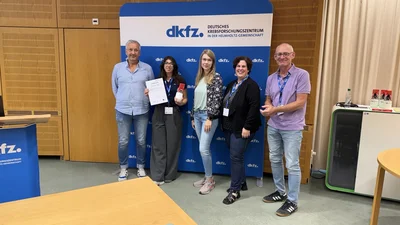
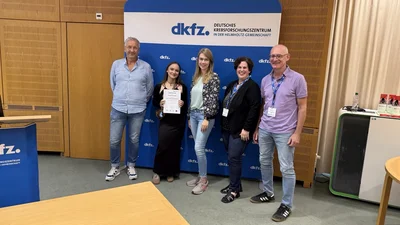
Medal in Silver

Target Group and Certificates

Our summer school is designed for national and international  PhD, MSc or BSc students or young scientists and clinical trainees with a background in Physics, Medical Physics, Medical Engineering, Medical Technology or similar. BSc students should be at the end of their studies. 

Once successfully completed, participants will get a certificate of attendance including supplement with ECTS points, issued by the German Cancer Research Center and our partners. Please download and carefully read the Hints for Course Completion and Certificates of Attendance below before registering. 

Abstracts and Awards

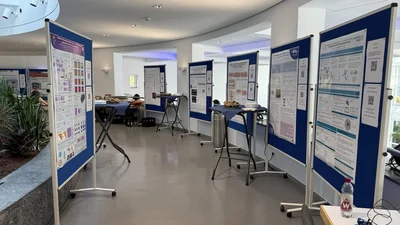
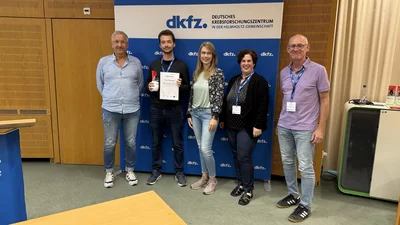
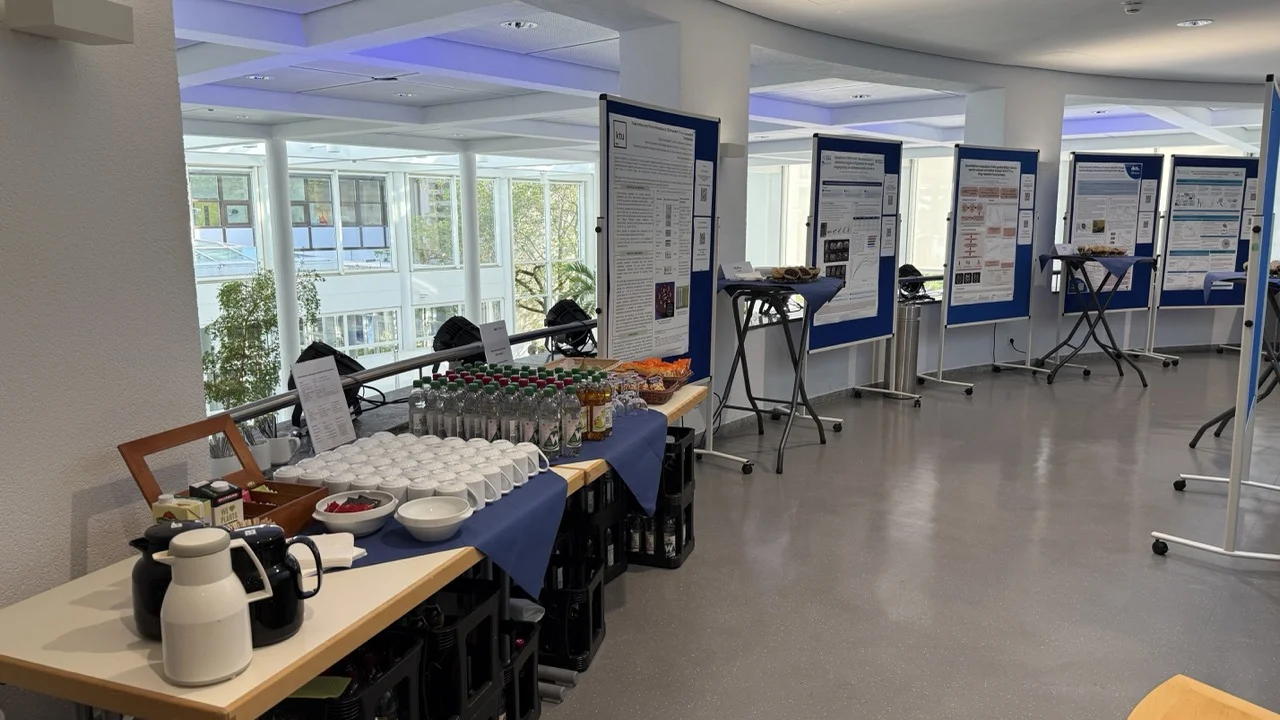
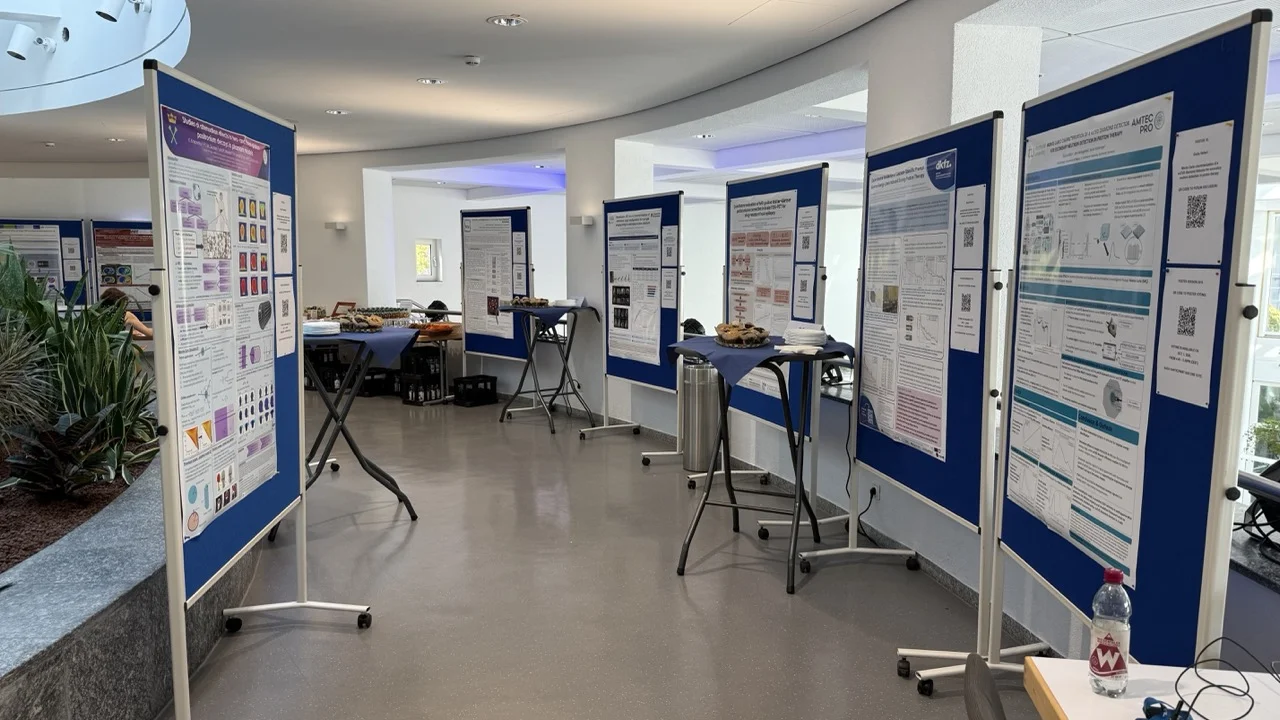
We are very happy to announce prizes for the science slam and the poster session. Therefore, we invite all applicants to submit abstracts for the science slam or the poster session (in addition to the regular application documents). The abstract should be in the field of medical physics in radiotherapy or imaging. Thus, it does not need to have a focus on 3D printing techniques and concepts. We are looking forward to receiving your abstracts to learn more about your research projects. Day and time of the science slam and poster session see program. 

Please download and read the Abstract Guideline below. However, you can also register without abstracts.

Dates and Program Draft

Dates: 

  • Registration deadline without abstract: July 31, 2026
  • Registration deadline with abstract: June 15, 2026
  • Online Phase: Aug. 24 - Sep. 27, 2026
  • 1st mandatory Online Test (Multiple Choice): Sep. 8 - Sep. 27, 2026
    (During this period participants can do the first mandatory online test whenever they have time.)
  • Live Online Session via Zoom (taking place during the online phase)
    • Mandatory Sessions
      1. Aug. 25, 2026, 4 - 6pm (CEST) tbc!
      2. Sep. 8, 2026, 4 - 6pm (CEST): tbc!
      3. Sep. 22, 2026, 4 - 6pm (CEST): tbc!
    • Optional Session for those who join the presentation and rhetoric workshop
      1. Sep. 15, 2026, 4 - 6pm (CEST)
  • Hybrid Attendance in Heidelberg: Sep. 28 - Oct. 2, 2026
  • 2nd mandatory Online Test (Multiple Choice): Oct. 2 - Oct. 19, 2026
    (During this period participants can do the second online test whenever they have time.)

Please feel free to download the program draft below. 

Technical Requirements, Online Phase and 1st Online Test

A sleek laptop sits open on a wooden table, with a notebook and smartphone nearby. A glass of water is placed next to it, creating a workspace vibe. The background is softly blurred, suggesting an outdoor setting. This image represents a modern, connected work environment.

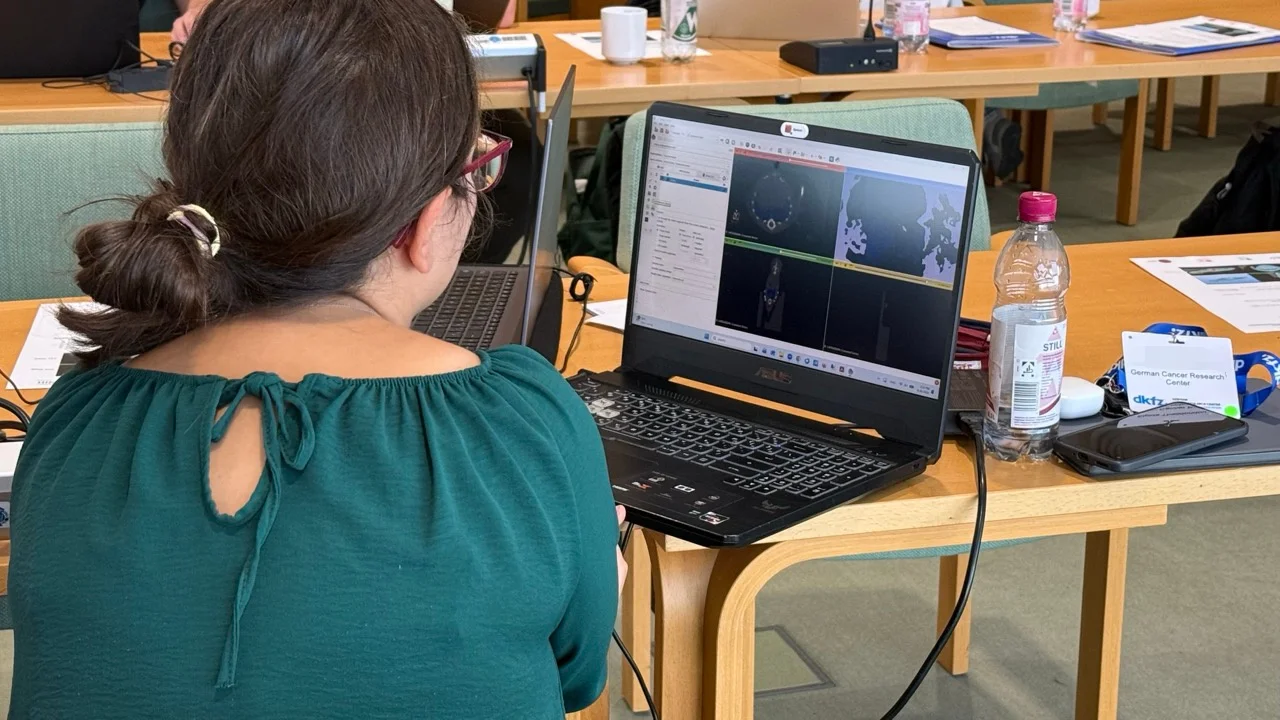
Our summer school 2026 starts with an online phase of about five weeks. During this period, participants get access to the virtual learning platform Moodle which provides all learning materials such as pre-recorded video lectures and lecture notes as PDFs as well as short tasks. Furthermore, live online sessions on Zoom are scheduled (see program). 

The online phase is concluded with the first mandatory online test consisting of multiple-choice questions about all topics taught during the online phase. The test can be done during the last two weeks of the online phase whenever participants have time, and its successful completion (50% of points indicated) is a prerequisite to participate in the hybrid attendance phase.

Please also download and read our technical requirements to attend our hybrid summer school: 

Hybrid Attendance Phase an­d 2nd Online Test

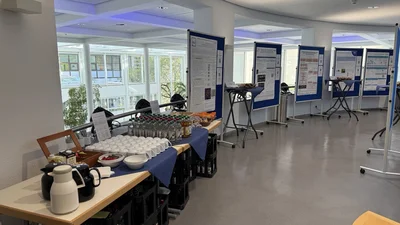
The image shows a spacious, well-lit lobby featuring several white tables draped in blue fabric. Potted trees are positioned along the sides, and large glass doors lead outside. Bright sunlight streams through the windows, enhancing the modern, open atmosphere of the space. Entrance of DKFZ Communication Center
Entrance of DKFZ Communication Center

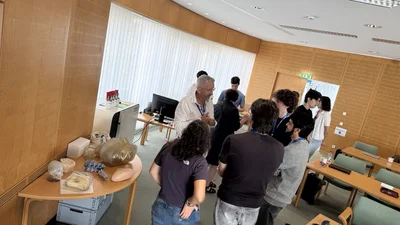
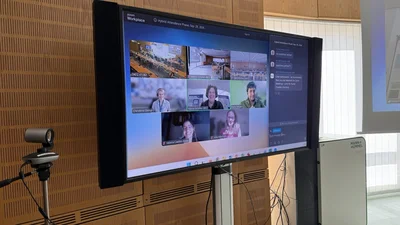
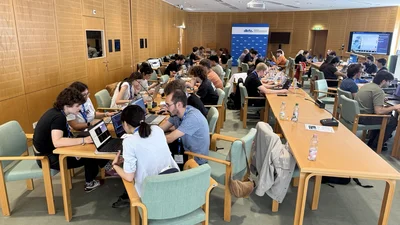
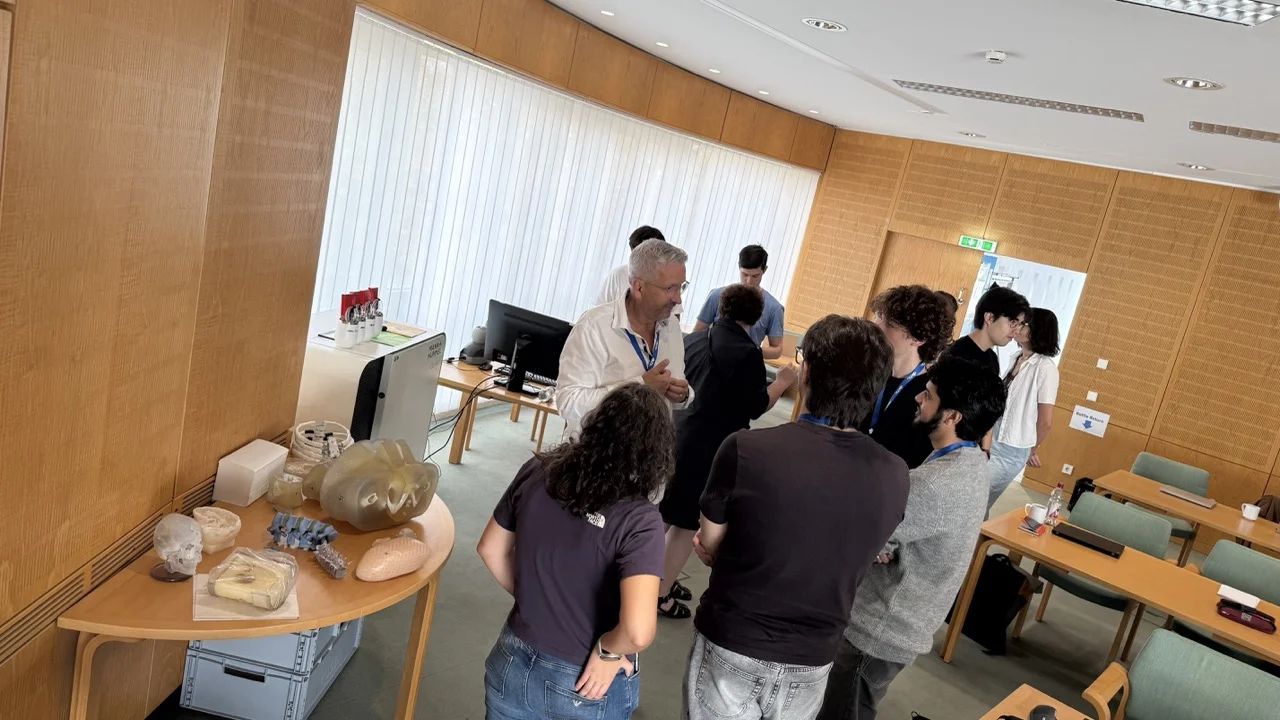
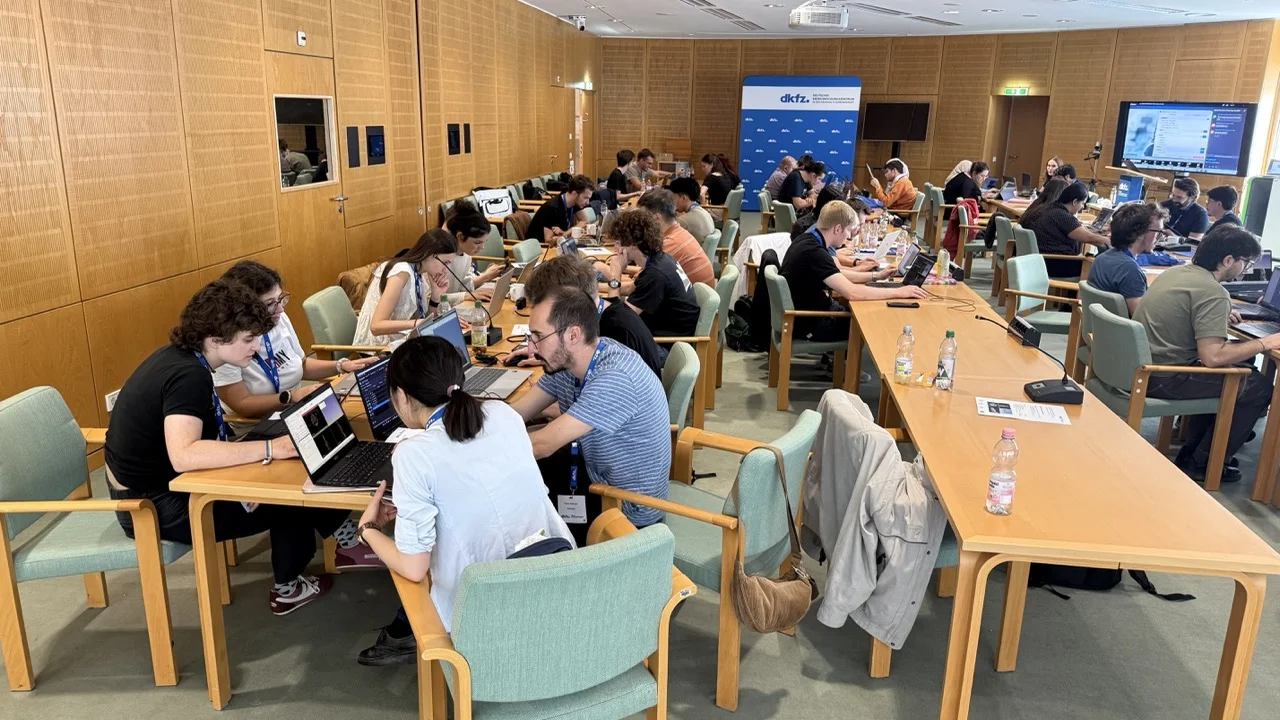
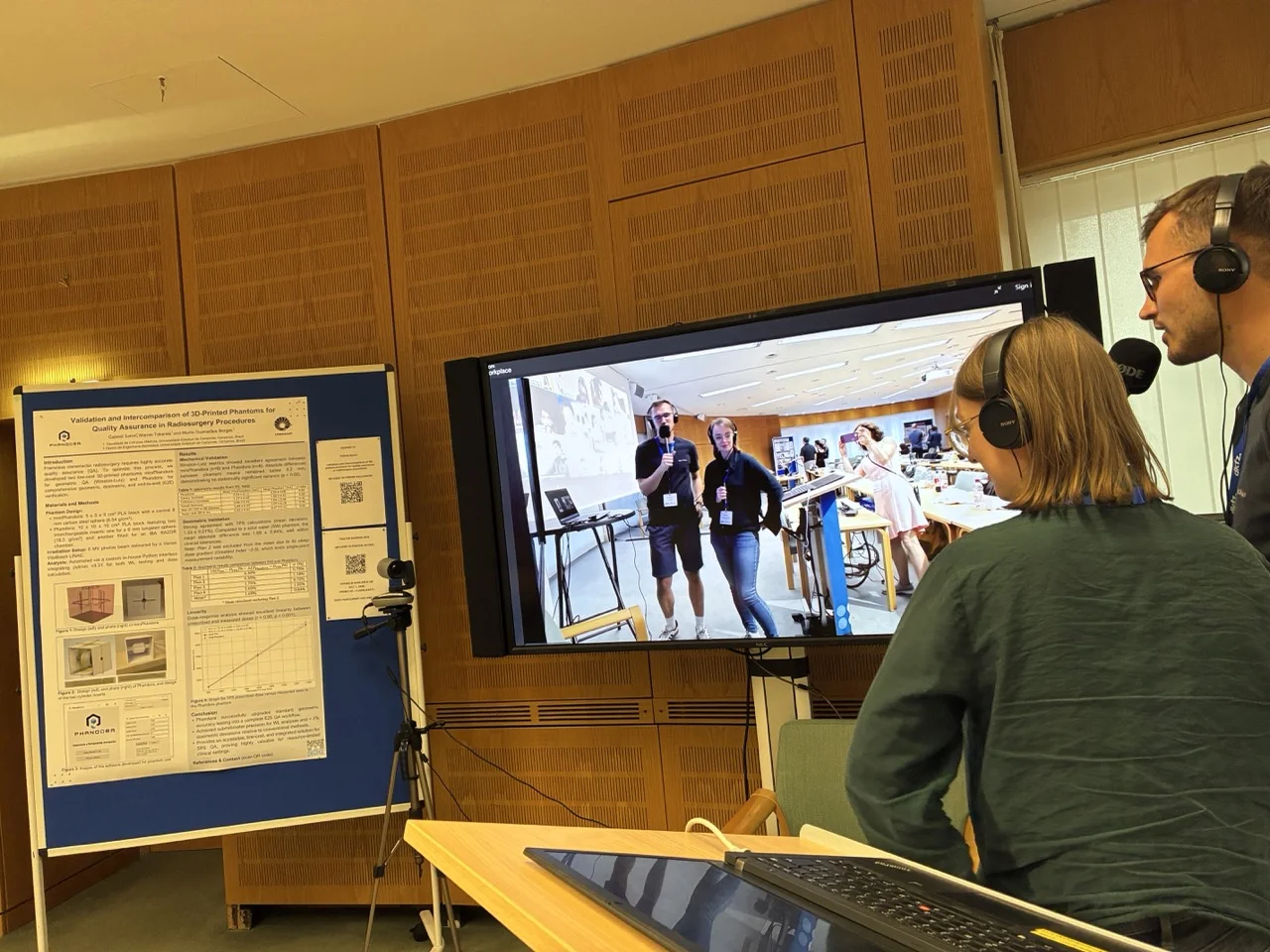
The attendance phase in Heidelberg is hosted as a hybrid event and thus, all sessions are available as a so-called live online phase to those who attend online only.

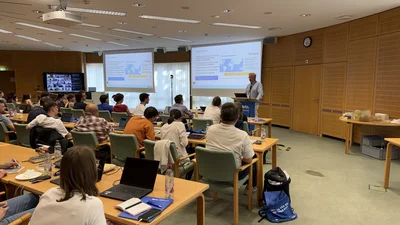
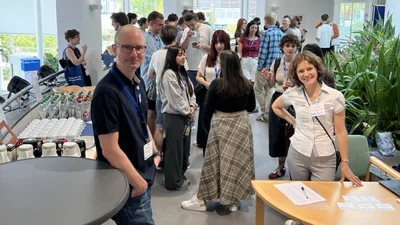
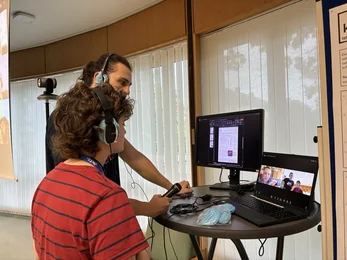
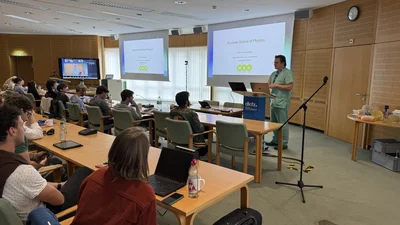
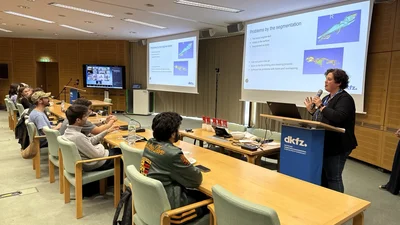
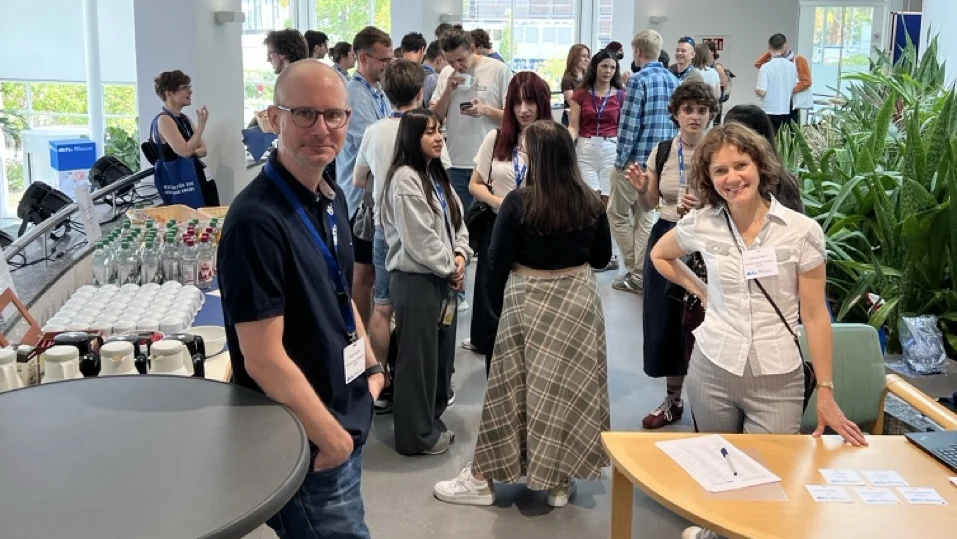
Lectures by our national and international experts are usually scheduled during the morning sessions. More interactive sessions such as a workshop, the science slam and the poster session as well as interactive discussion rounds take place during the afternoon to strengthen active participation and to initiate scientific exchange between experts and participants. We also include networking activities for online participants into the schedule of the hybrid attendance phase. E.g. online participants can have virtual lunch breaks with the host and the course leaders. 

The whole summer school is concluded by the second mandatory online test (multiple-choice questions; 50% of points indicated need to be reached) about all topics taught during the hybrid attendance phase (duration of second online test see "Dates and Program").

Venue

A modern multi-story building with large glass windows is set against a clear blue sky. In the foreground, a landscaped area features benches, greenery, and a small water channel, creating an inviting outdoor space. The architecture conveys a contemporary and professional atmosphere. Main Entrance of DKFZ, Communication Center on the left-hand side
Main Entrance of DKFZ, Communication Center on the left-hand side

The attendance phase in Heidelberg is hosted as a hybrid event and thus, all sessions are available on Zoom to those who attend online only.

The address of the venue is:

German Cancer Research Center
Communication Center, Seminar room K1/K2 (1st floor)
Im Neuenheimer Feld 280
DE-69120 Heidelberg
Google Maps: https://goo.gl/maps/Pyq26ZDENVaXyGqX6
How to get there: https://www.dkfz.de/en/about-us/who-we-are/your-way-to-us 

Fees and Registration

Computer Keyboard

Hybrid Attendance

  • regular (e.g. young scientists): €200
  • PhD or MD students: €150
  • MSc or BSc students: €75
  • DKFZ members: €75

Online Attendance

  • regular (e.g. young scientists): €85
  • PhD, MD, MSc or BSc students: €50

Payments can only be done by Credit Card. The candidates will receive all relevant information to initiate the payment by email once their registration is accepted and confirmed by the local organizing team. Please only register for the course, if you can pay by credit card. Please note: Neither on-site/cash payments nor payments by Paypal /wire transfer are possible.

Travel expenses for hybrid participants in Heidelberg such as train tickets, costs for accommodation as well as living expenses have to be covered by on-site participants themselves. However, food will be offered during breaks (such as coffee breaks and lunch breaks). 

Registration Procedure without abstracts

  • Registration Deadline: July 31, 2026

Once the registration is confirmed by the local organizing team, each participant gets further instructions on how to pay the fees by credit card within 4 weeks OR by July 31 for those who register after July 1, 2026.

Registration Procedure with abstracts

  • Start of Application: end of Feb. 2026
  • Application Deadline: June 15, 2026
  • Confirmation of Abstracts: beginning of July 2026
  • Payment Deadline: July 31, 2026

Once the abstract is accepted for science slam or poster session, each participant gets further instructions on how to pay the fees by credit card.

Please note: places are limited and available on a first come first serve basis. As part of the application process, registrations are reviewed under applicable export control and sanctions regulations where legally required. 

Host, Course Leaders and Abstract Committee

Drei Personen sitzen auf einer Treppe: ein Mann mit grauen Haaren, eine lachende Frau in schwarzer Jacke und eine junge Frau mit Brille und dunklem Pullover. Sie wirken freundlich und entspannt in einer hellen Umgebung. Course Leaders (from left to right): Armin Runz, Wibke Johnen and Dr. Christina Stengl
Course Leaders (from left to right): Armin Runz, Wibke Johnen and Dr. Christina Stengl

Host: 

Prof. Dr. Oliver Jäkel
Head of the Divison of Medical Physics in Radiation Oncology at DKFZ

Course Leaders:

Armin Runz
Group Leader of the Research Group Medical Engineering in the Division of Medical Physics in Radiation Oncology at DKFZ

Wibke Johnen
Deputy Group Leader of the Research Group Medical Engineering in the Division of Medical Physics in Radiation Oncology at DKFZ

Dr. Christina Stengl
Postdoctoral Research in the Research Group Translational Research for Ion Beam Therapy (Head: Dr. José Vedelago) in the Division of Medical Physics in Radiation Oncology at DKFZ

Abstract Committee

All three course leaders plus: 

Anahita Bakhtiari Moghaddam
PhD Student in the the Research Group Medical Engineering in the Division of Medical Physics in Radiation Oncology at DKFZ

Contact

Three professionals stand together in a modern setting, smiling. They are in front of a large, artistic installation resembling a wave. This image highlights collaboration and leadership within the context of a scientific workshop, reflecting engagement in medical physics and radiation therapy education. From left to right: Anna Moshanina, Marcel Schäfer, Dr. Simone Barthold-Beß
From left to right: Anna Moshanina, Marcel Schäfer, Dr. Simone Barthold-Beß

Please feel free to contact us by email to symposium.medphys(at)dkfz-heidelberg.de if you have any questions.  

Local Organizing Team

Anna Moshanina, Dr. Simone Barthold-Beß, Marcel Schäfer
Division of Medical Physics in Radiation Oncology

German Cancer Research Center
Im Neuenheimer Feld 280
DE-69120 Heidelberg, Germany

Phone: +49-6221/42-3481

Sponsoring

Leo Cancer Care kindly sponsors the 1st and the 2nd prize of the poster session (250€ & 150€, respectively). Once awarded, both winners get directly paid by Leo Cancer Care. 

Form

Form data is loaded ...