Systems Immunology and Single Cell Biology
- Immunology, Infection and Cancer
- Junior Research Group

Dr. Felix Hartmann
Group Leader
We aim to define the principles that govern immune regulation within complex tissues. Immune cell function is shaped not only by intrinsic metabolic programs, but by spatially organized metabolic niches arising from multicellular interactions. By integrating single-cell metabolic profiling, spatial proteomics, and computational modeling, we uncover how spatially structured metabolic interactions shape tumor–immune ecosystems and identify vulnerabilities for precision immunotherapy.

Scientific Program
Our research program is structured around three interconnected pillars that together define a quantitative framework for Spatial Immunometabolism.
1. Quantifying Metabolic States in Human Tissues
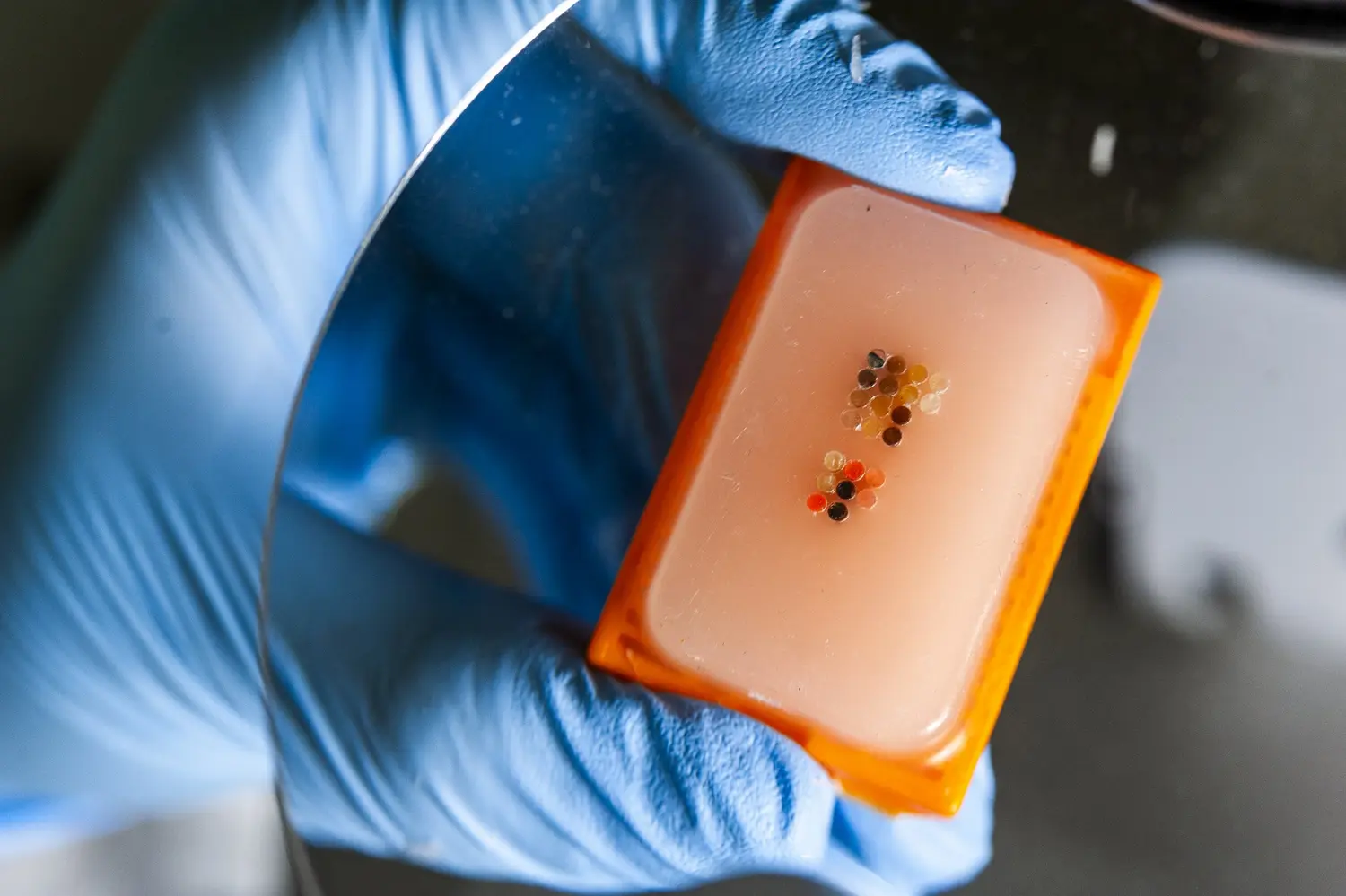
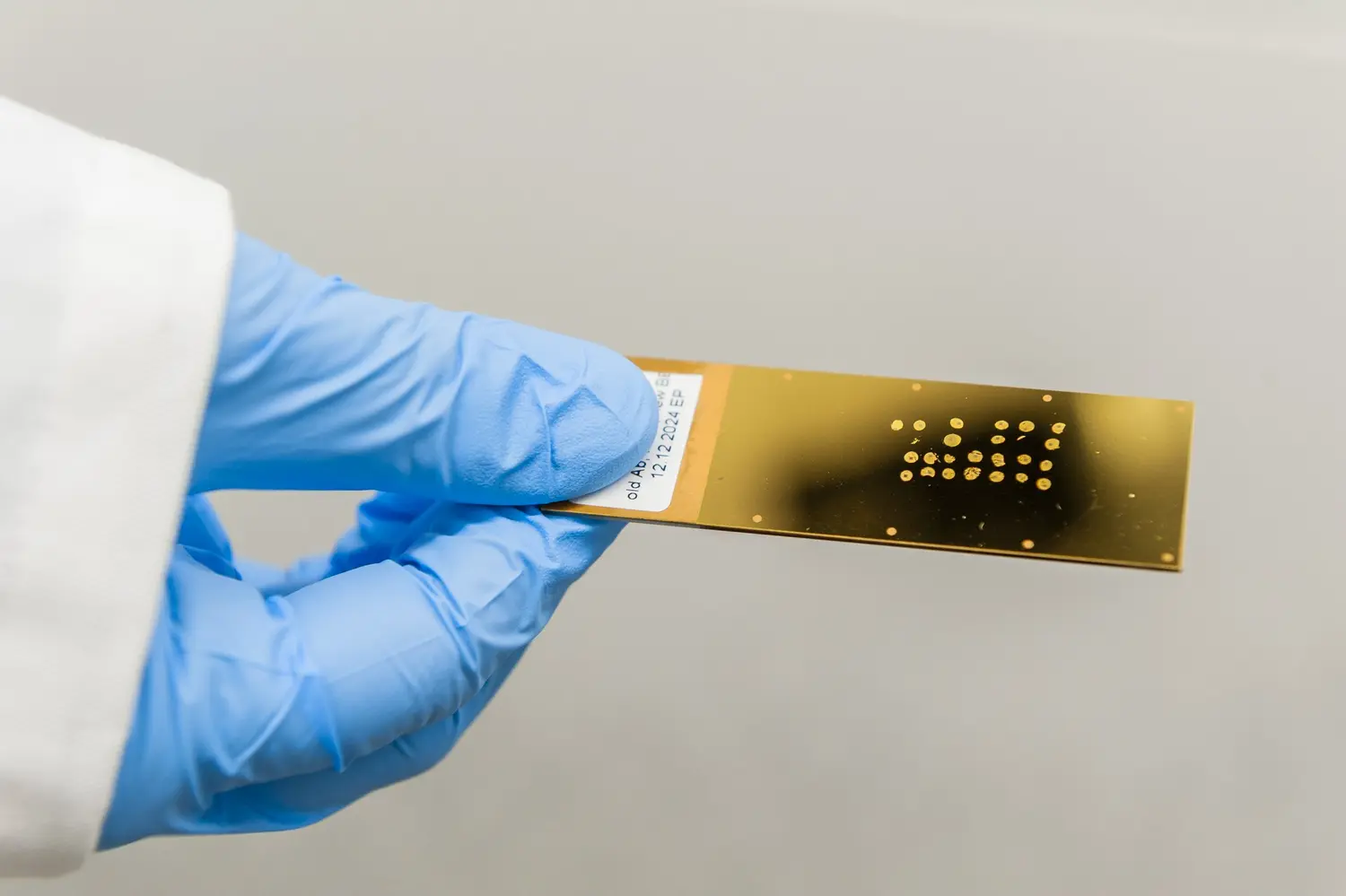
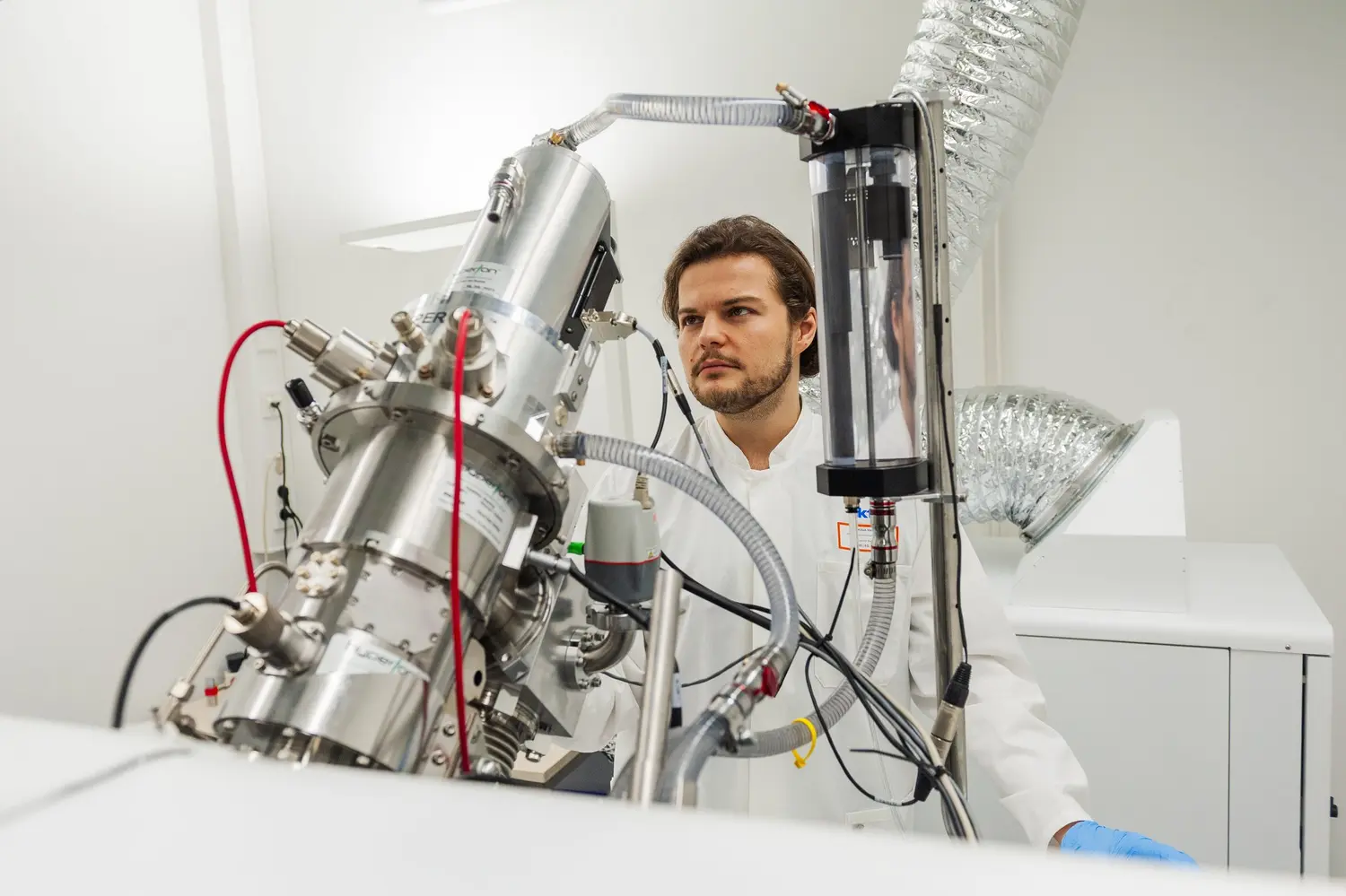
We develop and apply high-dimensional single-cell and spatial technologies to measure metabolic regulation directly in intact human tissues.
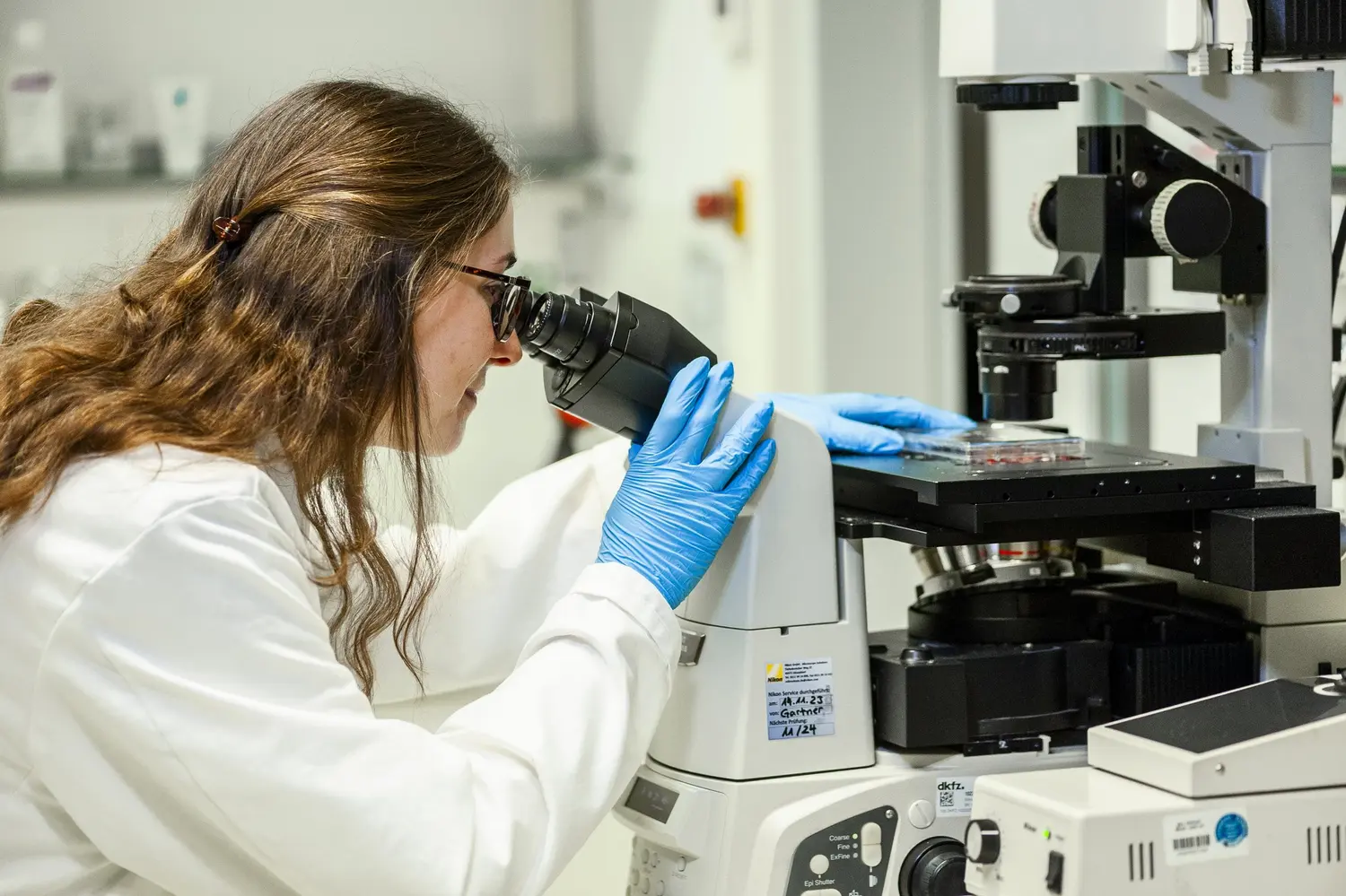
Using antibody-based metabolic profiling, multiplexed imaging, and spatial mass spectrometry approaches, we quantify the metabolic states of immune, stromal, and malignant cells in situ. Rather than relying solely on transcriptional inference, we measure the regulatory protein networks that determine pathway activity and functional capacity.
A central focus is the analysis of human clinical samples, where we investigate how spatially resolved metabolic states relate to tumor progression, immune dysfunction, and clinical outcome.
2. Computational Modeling of Metabolic Programs
Spatial single-cell data are inherently multimodal and high-dimensional. We develop computational frameworks that integrate metabolic state, cellular composition, and spatial organization into interpretable multicellular programs.
Instead of analyzing individual markers in isolation, we identify coordinated metabolic and cellular patterns that define tumor–immune ecosystem states. Our goal is to transform complex spatial data into mechanistic and predictive models of tissue organization.
3. Mechanistic Dissection of Metabolic Niches
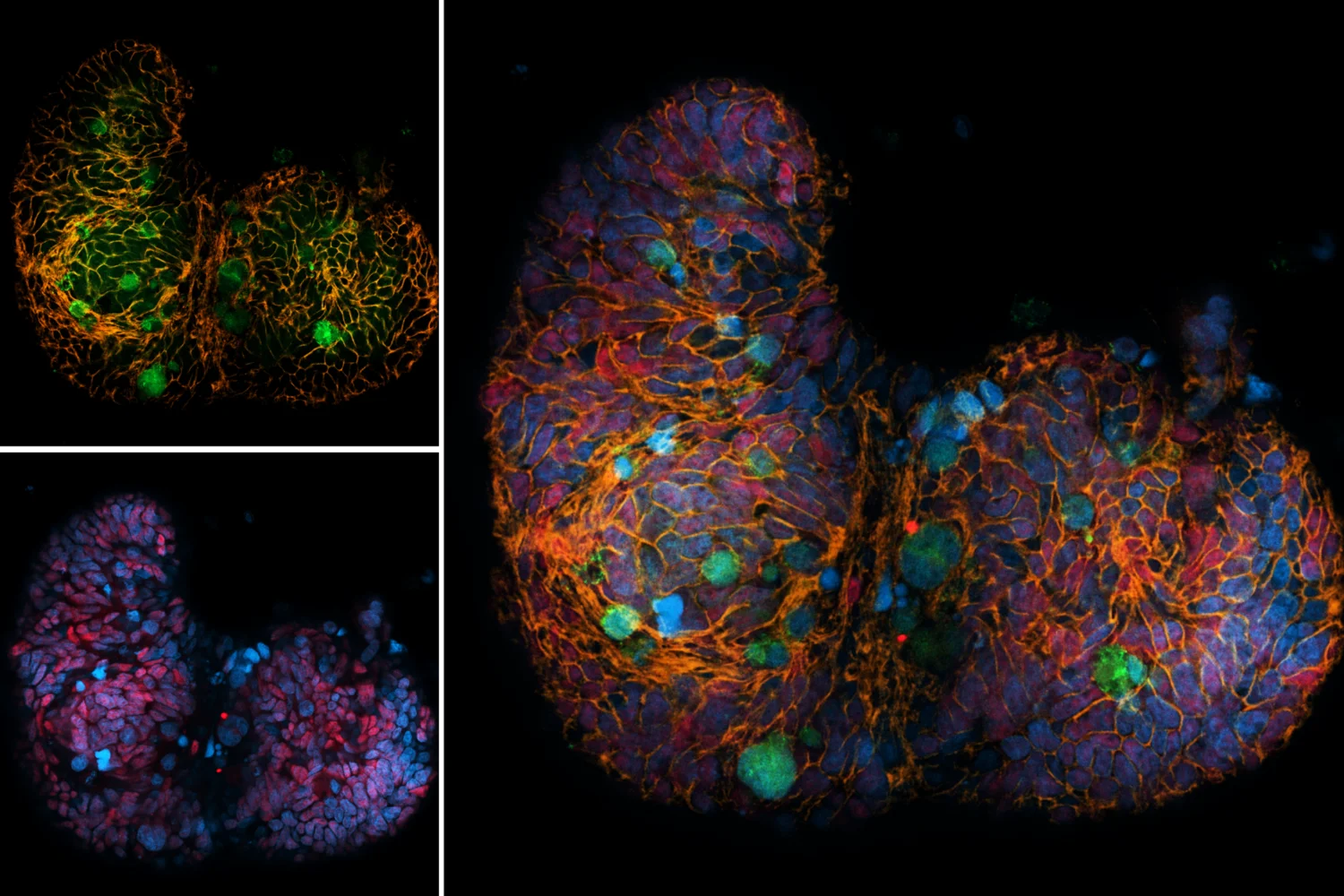
Quantitative mapping and modeling generate hypotheses about how metabolic interactions shape immune function. We test these hypotheses using patient-derived tumor organoids and ex vivo tissue systems.
By genetically perturbing metabolic enzymes using CRISPR-based approaches, we examine how specific tumor or stromal metabolic programs influence T cell and macrophage function within controlled microenvironments.
This allows us to move from correlation to causation and to define actionable metabolic interactions that may be therapeutically targeted.
Why Spatial Immunometabolism Matters
Immune cells operate in metabolically constrained environments.
Tumors exploit nutrient competition, hypoxia, and metabolite signaling to suppress immunity.
Current immunotherapies often fail because these metabolic barriers remain poorly understood and insufficiently targeted.
By quantifying metabolic regulation directly in tissues, we aim to:
- Reveal mechanisms of immune dysfunction
- Identify predictive biomarkers of therapeutic response
- Inform rational metabolic interventions in cancer
Selected Recognition & Funding
Our research is supported by competitive national and international funding, including:
- European Research Council (ERC Starting Grant 2023)
- Helmholtz Young Investigator Program
- DKTK (German Cancer Consortium)
- Foundation and industry-supported research initiatives
These awards support a long-term program to establish quantitative spatial immunometabolism as a central framework in cancer research.



Selected Publications
Hartmann, F. J.
Tanevski J., Vulliard L., Ibarra-Arellano M., Shapiro D., Hartmann F. J. & Saez-Rodriguez J.
Glauner T. A., Truxa S., Cetin M., Schlüter K., Calafato D., Hartmann, F. J.
Cosgrove, J., Marçais, A., Hartmann, F. J., Bergthaler, A., Zanoni, I., Corrado, M., Perié, L., Cabezas-Wallscheid, N., Bousso, P., Alexandrov, T., Kielian, T., Martínez-Martín, N., Opitz, C. A., & Lyssiotis, C. A.
Hartmann, F. J., Mrdjen, D., McCaffrey, E., Glass, D. R., Greenwald, N. F., Bharadwaj, A., Khair, Z., Verberk, S. G. S., Baranski, A., Baskar, R., Graf, W., Van Valen, D., Van den Bossche, J., Angelo, M., & Bendall, S. C.
Full Publication List
Lekiashvili N, Dinh TK, Olkus A, Wu YL, Liu CS, Komkova D, Stenzinger A, Hartmann FJ, Longerich T, Dill MT.
Greenwald NF, Nederlof I, Sowers C, Ding DY, Park S, Kong A, Houlahan KE, Varra SR, de Graaf M, Geurts V, Liu CC, Ranek JS, Voorwerk L, de Maaker M, Kagel A, McCaffrey E, Khan A, Yeh CY, Fullaway CC, Khair Z, Simon BG, Bai Y, Piyadasa H, Risom T, Delmastro A, Hartmann FJ, Mangiante L, Sotomayor-Vivas C, Bendall SC, Schumacher TN, Ma Z, Bosse M, van de Vijver MJ, Tibshirani R, Horlings HM, Curtis C, Kok M, Angelo M.
Maas SLN, Tang Y, Stutheit-Zhao E, Rahmanzade R, Blume C, Hielscher T, Zettl F, Benfatto S, Calafato D, Sill M, Benotmane JK, Yabo YA, Behling F, Suwala A, Kardo H, Ritter M, Peyre M, Sankowski R, Okonechnikov K, Sievers P, Patel A, Reuss D, Friedrich MJ, Stichel D, Schrimpf D, Van den Bosch TPP, Beck K, Wirsching HG, Jungwirth G, Hanemann CO, Lamszus K, Etminan N, Unterberg A, Mawrin C, Remke M, Ayrault O, Lichter P, Reifenberger G, Platten M, Kacprowski T, List M, Pauling JK, Baumbach J, Milde T, Grossmann R, Ram Z, Ratliff M, Mallm JP, Neidert MC, Bos EM, Prinz M, Weller M, Acker T, Hartmann FJ, Preusser M, Tabatabai G, Herold-Mende C, Krieg SM, Jones DTW, Pfister SM, Wick W, Kalamarides M, von Deimling A, Heiland DH, Hovestadt V, Gerstung M, Schlesner M ; German “Aggressive Meningiomas” Consortium (KAM) ; Sahm F.
Li X, Lebeaupin C, Kadianaki A, Druelle-Cedano C, Vesper N, Rennert C, Huguet-Pradell J, Gomez Ramos B, Fan C, Piecyk RS, Zizmare L, Ramadori P, Li L, Frick L, Qiu M, Zhang C, Martins Nascentes Melo L, Ranvir VP, Shen P, Hanselmann J, Kosla J, Fernández-Vaquero M, Vucur M, Baskaran P, Bao X, Coleman OI, Tang Y, Cetin M, Chen Z, Jang I, Del Prete S, Rahbari M, Zhang P, Pham TV, Hou Y, Sun A, Gu L, Kim LC, Rothermel U, Heide D, Ali A, Gallage S, Talvard-Balland N, Piqué-Gili M, Gris-Oliver A, Bevilacqua A, Schlicker L, Duffey A, Unger K, Szydlowska M, Hetzer J, Odom DT, Machauer T, Bucci D, Sant P, Lee JH, Rösler J, Meckelmann SW, Schreck J, Murray S, Simon MC, Nahnsen S, Schulze A, Ho PC, Jugold M, Breuhahn K, Mallm JP, Schirmacher P, Roth S, Rahbari N, Tschaharganeh DF, Roessler S, Goeppert B, Bengsch B, Andrieux G, Boerries M, Malek NP, Prinz M, Weber A, Zeiser R, Tamayo P, Bronsert P, Kurowski K, Thimme R, Yuan D, Carretero R, Luedde T, Pinyol R, Hartmann FJ, Karin M, Tasdogan A, Trautwein C, Mall M, Hofmann M, Llovet JM, Haller D, Kaufman RJ, Heikenwälder M.
Liu Y, Jiang H, Liu J, Stuani L, Merchant M, Jager A, Koladiya A, Chang TC, Domizi P, Sarno J, Wang A, Keyes T, Jedoui D, Meng J, Hartmann FJ, Hou R, Fries C, Pirillo C, Gao Q, Iacobucci I, Bendall SC, Huang M, Lacayo NJ, Sakamoto KM, Mullighan CG, Loh M, Yu J, Yang JJ, Ye J, Davis KL.
Hartmann FJ.
Mrdjen D, Cannon BJ, Amouzgar M, Kim Y, Liu C, Vijayaragavan K, Camacho C, Spence A, McCaffrey EF, Bharadwaj A, Tebaykin D, Bukhari S, Bosse M, Hartmann FJ, Kagel A, Oliveria JP, Yakabi K, Serrano GE, Corrada MM, Kawas CH, Tibshirani R, Beach TG, Corces MR, Greenleaf W, Angelo RM, Montine T, Bendall SC.
Learning tissue representation by identification of persistent local patterns in spatial omics data.
Tanevski J, Vulliard L, Ibarra-Arellano MA, Schapiro D, Hartmann FJ, Saez-Rodriguez J.
Kumar R, Hartmann FJ, Favaro P, Ho D, Bruce T, Goldston M, Spence A, McCaffrey EF, Bendall SC, Angelo M.
Greenwald NF, Nederlof I, Sowers C, Ding DY, Park S, Kong A, Houlahan KE, Varra SR, de Graaf M, Geurts V, Liu CC, Ranek JS, Voorwerk L, de Maaker M, Kagel A, McCaffrey E, Khan A, Yeh CY, Fullaway CC, Khair Z, Bai Y, Piyadasa H, Risom T, Delmastro A, Hartmann FJ, Mangiante L, Sotomayor-Vivas C, Schumacher TN, Ma Z, Bosse M, van de Vijver MJ, Tibshirani R, Horlings HM, Curtis C, Kok M, Angelo M.
Cosgrove J, Marçais A, Hartmann FJ, Bergthaler A, Zanoni I, Corrado M, Perié L, Cabezas-Wallscheid N, Bousso P, Alexandrov T, Kielian T, Martínez-Martín N, Opitz CA, Lyssiotis CA, Argüello RJ, Van den Bossche J.
Adamik J, Munson PV, Maurer DM, Hartmann FJ, Bendall SC, Argüello RJ, Butterfield LH.
Mrdjen D, Amouzgar M, Cannon B, Liu C, Spence A, McCaffrey E, Bharadwaj A, Tebaykin D, Bukhari S, Hartmann FJ, Kagel A, Vijayaragavan K, Oliveria JP, Yakabi K, Serrano GE, Corrada MM, Kawas CH, Camacho C, Bosse M, Tibshirani R, Beach TG, Angelo M, Montine T, Bendall SC.
Robinson ML, Glass DR, Duran V, Agudelo Rojas OL, Sanz AM, Consuegra M, Sahoo MK, Hartmann FJ, Bosse M, Gelvez RM, Bueno N, Pinsky BA, Montoya JG, Maecker H, Estupiñan Cardenas MI, Villar Centeno LA, Garrido EMR, Rosso F, Bendall SC, Einav S.
Munson PV, Adamik J, Hartmann FJ, Favaro PMB, Ho D, Bendall SC, Combes AJ, Krummel MF, Zhang K, Kelley RK, Butterfield LH.
Adamik J, Munson PV, Hartmann FJ, Combes AJ, Pierre P, Krummel MF, Bendall SC, Argüello RJ, Butterfield LH.
Amouzgar M, Glass DR, Baskar R, Averbukh I, Kimmey SC, Tsai AG, Hartmann FJ, Bendall SC.
Ackerman SE, Pearson CI, Gregorio JD, Gonzalez JC, Kenkel JA, Hartmann FJ, Luo A, Ho PY, LeBlanc H, Blum LK, Kimmey SC, Luo A, Nguyen ML, Paik JC, Sheu LY, Ackerman B, Lee A, Li H, Melrose J, Laura RP, Ramani VC, Henning KA, Jackson DY, Safina BS, Yonehiro G, Devens BH, Carmi Y, Chapin SJ, Bendall SC, Kowanetz M, Dornan D, Engleman EG, Alonso MN.
Geeraerts X, Fernández-Garcia J, Hartmann FJ, de Goede KE, Martens L, Elkrim Y, Debraekeleer A, Stijlemans B, Vandekeere A, Rinaldi G, De Rycke R, Planque M, Broekaert D, Meinster E, Clappaert E, Bardet P, Murgaski A, Gysemans C, Nana FA, Saeys Y, Bendall SC, Laoui D, Van den Bossche J, Fendt SM, Van Ginderachter JA.
Alspach E, Chow RD, Demehri S, Guerriero JL, Gujar S, Hartmann FJ, Helmink BA, Hudson WH, Ho WJ, Ma L, Maier BB, Maltez VI, Miller BC, Moran AE, Parry EM, Pillai PS, Rafiq S, Reina-Campos M, Rosato PC, Rudqvist NP, Ruhland MK, Sagiv-Barfi I, Sahu AD, Samstein RM, Schürch CM, Sen DR, Thommen DS, Wolf Y, Zappasodi R.
Hartmann FJ, Mrdjen D, McCaffrey E, Glass DR, Greenwald NF, Bharadwaj A, Khair Z, Verberk SGS, Baranski A, Baskar R, Graf W, Van Valen D, Van den Bossche J, Angelo M, Bendall SC.
Glass DR, Tsai AG, Oliveria JP, Hartmann FJ, Kimmey SC, Calderon AA, Borges L, Glass MC, Wagar LE, Davis MM, Bendall SC.
Tsai AG, Glass DR, Juntilla M, Hartmann FJ, Oak JS, Fernandez-Pol S, Ohgami RS, Bendall SC.
Hartmann FJ, Bendall SC.
Galli E, Hartmann FJ, Schreiner B, Ingelfinger F, Arvaniti E, Diebold M, Mrdjen D, van der Meer F, Krieg C, Nimer FA, Sanderson N, Stadelmann C, Khademi M, Piehl F, Claassen M, Derfuss T, Olsson T, Becher B.
Hartmann FJ, Babdor J, Gherardini PF, Amir ED, Jones K, Sahaf B, Marquez DM, Krutzik P, O'Donnell E, Sigal N, Maecker HT, Meyer E, Spitzer MH, Bendall SC.
Hartmann FJ, Simonds EF, Vivanco N, Bruce T, Borges L, Nolan GP, Spitzer MH, Bendall SC.
Hartmann FJ, Simonds EF, Bendall SC.
Krieg C, Nowicka M, Guglietta S, Schindler S, Hartmann FJ, Weber LM, Dummer R, Robinson MD, Levesque MP, Becher B.
Mrdjen D, Pavlovic A, Hartmann FJ, Schreiner B, Utz SG, Leung BP, Lelios I, Heppner FL, Kipnis J, Merkler D, Greter M, Becher B.
Mrdjen D, Pavlovic A, Hartmann FJ, Schreiner B, Utz SG, Leung BP, Lelios I, Heppner FL, Kipnis J, Merkler D, Greter M, Becher B.
Krieg C, Nowicka M, Guglietta S, Schindler S, Hartmann FJ, Weber LM, Dummer R, Robinson MD, Levesque MP, Becher B.
Nowicka M, Krieg C, Crowell HL, Weber LM, Hartmann FJ, Guglietta S, Becher B, Levesque MP, Robinson MD.
Mrdjen D, Hartmann FJ, Becher B.
Hartmann FJ, Bernard-Valnet R, Quériault C, Mrdjen D, Weber LM, Galli E, Krieg C, Robinson MD, Nguyen XH, Dauvilliers Y, Liblau RS, Becher B.
Mair F, Hartmann FJ, Mrdjen D, Tosevski V, Krieg C, Becher B.
Croxford AL, Lanzinger M, Hartmann FJ, Schreiner B, Mair F, Pelczar P, Clausen BE, Jung S, Greter M, Becher B.
Hartmann FJ, Khademi M, Aram J, Ammann S, Kockum I, Constantinescu C, Gran B, Piehl F, Olsson T, Codarri L, Becher B.
Schmidt HH, Ge Y, Hartmann FJ, Conrad H, Klug F, Nittel S, Bernhard H, Domschke C, Schuetz F, Sohn C, Beckhove P.
Parmentier J, Hartmann FJ, Fricker G.
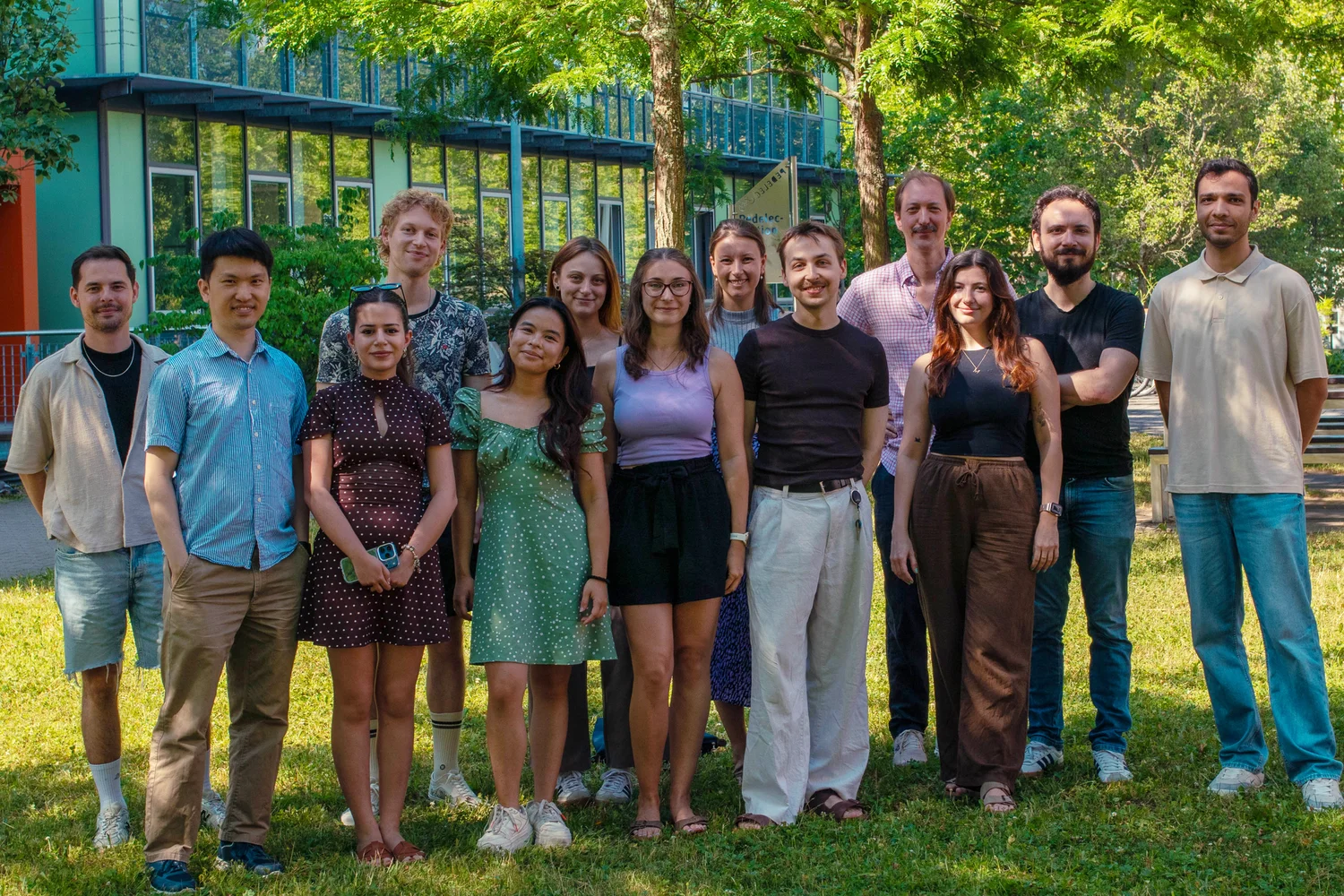
Current Members
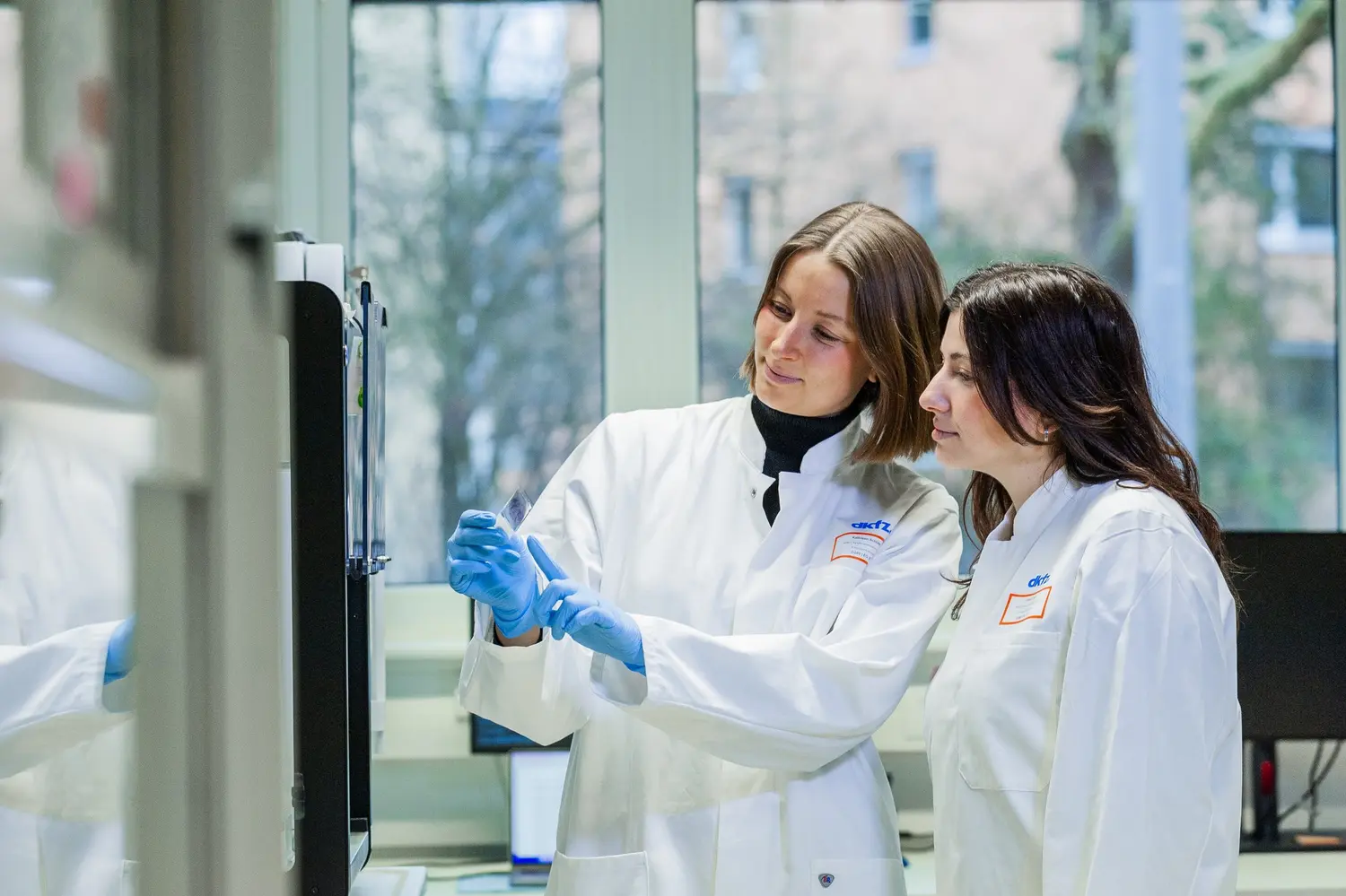
Our interdisciplinary team brings together expertise in immunology, proteomics, spatial biology, and computational modeling. Together, we investigate how metabolic programs are organized in tissues and how they shape immune function within the tumor microenvironment.
We foster an open, collaborative, and supportive research environment. Scientific independence, critical thinking, and methodological rigor are central to our training philosophy.
Our group includes researchers from diverse disciplinary backgrounds and career stages, united by the goal of advancing Spatial Immunometabolism.
- Show profile
Dr. Felix Hartmann
Group Leader
-
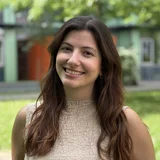
Dr. Miray Cetin
Postdoctoral Researcher
-
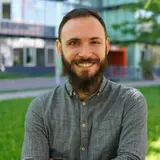
Dr. Loan Vulliard
Postdoctoral Researcher
-
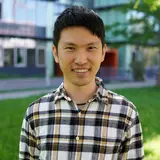
Dr. Yu-Le Wu
Postdoctoral Researcher
-

Kathleen Schlüter
PhD Student
- Show profile

Domenico Calafato
PhD Student
-

Jennifer Zimmermann
PhD Student
-
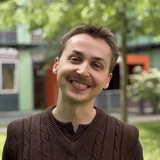
Kilian Merz
PhD Student
-

Lara Schneider
Lab Technician
-
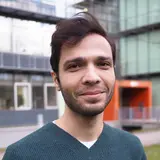
Amirhossein Sohrabipour
Master student
-

Rouven Siefert
Master Student


Training & Mentorship
We train scientists to think mechanistically about immune regulation in complex human tissues. Our work integrates systems immunology, spatial proteomics, and metabolic modeling with a strong focus on human cancer and translational relevance.
Trainees in the lab work on clinically grounded questions such as: How do metabolic niches shape immune cell fate? How do tumor and stromal interactions reprogram immune metabolism? Which spatially organized metabolic states predict response to immunotherapy?
To address these questions, lab members are trained across complementary experimental and computational platforms:
- High-dimensional single-cell and spatial proteomics
- Multimodal data integration and machine learning–based modeling
- Patient-derived tumor slice cultures and organoid systems
- CRISPR-based perturbation of metabolic regulators in human tumor models
- Co-culture systems combining patient-derived tumor organoids with autologous immune cells
Our organoid platform enables trainees to move from descriptive spatial profiling in patient tissues to mechanistic perturbation experiments in genetically controlled, three-dimensional human tumor models, and to test how metabolic interventions alter immune function.
Close integration with clinical collaborators within the NCT and DKTK network provides access to well-annotated patient cohorts and translational endpoints. Projects frequently combine large clinical sample sets with controlled experimental systems, fostering a bidirectional exchange between discovery and validation.
We emphasize conceptual clarity, quantitative rigor, and scientific independence. Trainees are expected to design hypothesis-driven studies, engage deeply with computational analysis, and contribute to the development of new technologies and analytical frameworks.
Alumni from the lab have transitioned to competitive doctoral positions at leading research institutions in Paris, Stockholm, Bonn, and Berlin.
Public Engagement
We are committed to communicating our research beyond academia and contributing to public understanding of cancer immunology and metabolism. Our work aims not only to uncover fundamental biological principles but also to inform clinical innovation and societal dialogue around cancer therapy.
Our research explained
In a recorded lecture as part of the ‘Akademische Mittagspause’, Felix Hartmann explains how tumor metabolism shapes immune responses and why spatial technologies are transforming our understanding of cancer immunotherapy. Link to the YouTube video.
Feature article – DKFZ Einblick magazine
Our research on metabolic niches in the tumor microenvironment and their role in immunotherapy response was featured in the DKFZ science magazine Einblick. Link to the article.
Through these activities, we aim to make complex biological mechanisms understandable, support evidence-based discussion of cancer research, and foster interdisciplinary exchange between scientists, clinicians, and the public.
Join the Lab
We seek highly motivated researchers with backgrounds in:
- Immunology
- Computational biology
- Systems biology
- Spatial omics technologies
- Quantitative modeling
Successful candidates are intellectually independent, collaborative, and motivated to work at the interface of technology development and mechanistic biology.
Our trainees benefit from:
- Strong international collaborations
- Interdisciplinary mentoring
- Exposure to cutting-edge spatial and computational technologies
- Competitive national and international research networks
PhD and postdoctoral applicants are encouraged to contact us with a CV, brief research statement, and references.
News & Highlights
Recent news, updates and celebrations are posted on our LinkedIn
Resources & Reproducibility
Our research integrates experimental innovation with computational modeling. To enable reproducibility and downstream development, we provide open access to datasets, code, and experimental protocols underlying our published work. These resources are designed to support rigorous benchmarking, methodological extension, and multimodal data integration in spatial and single-cell biology. This includes the original protocols and datasets for single-cell metabolic profiling (scMEP), developed during my postdoctoral work and now broadly used across laboratories.
All collected experimental protocols can be found on our Protocols.io
All code and data analysis packages are located on our GitHub
scMEP resources (Nature Biotechnology 2021): Publication | Protocols | Datasets | Validated Antibodies
Get in touch with us

Dr. Felix Hartmann
Group LeaderPostal address: