Cell Fate Engineering and Disease Modelling

  • Cell and Tumor Biology
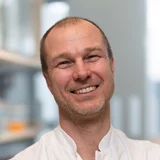
Dr. Moritz Mall

Dr. Moritz Mall

Head of Division

What makes a cell what it is—and how does it preserve its identity? We study how cell identity is established and maintained, and how its loss contributes to cancer, neurodevelopmental disorders, and aging. We decode the factors that control cell identity and use them to reprogram human cells into defined cell types—for example, converting blood cells into neurons and brain organoids. This enables new insights and therapeutic approaches.

Colorful microscopic image showing a complex cellular structure with various circular formations. The predominant colors are purple, pink, and green, illustrating different cell types or features. A scale bar at the bottom indicates a size of 200 micrometers.

Our Research

Almost every cell in our body carries the same genome, yet a neuron, a muscle cell, and a liver cell are fundamentally different. Cell identity is controlled by transcription factors, master switches that turn the right genes on and the wrong ones off. Still, cells can shift between states, a property called cellular plasticity. Plasticity is essential for development and repair, but when it gets out of control, it drives disease.

By deconstructing how one cell type can be converted into another, we discovered a new principle and introduced the concept of “safeguard repressors”: factors that continuously silence the gene programs of other cell types and thereby protect a cell’s identity. In neurons, MYT1L plays this role by blocking many alternative identities, all except the neuronal one. We study what happens when such safeguards fail: in cancer, in neurodevelopmental disorders, and in aging.

“Our mission is to understand the mechanisms that determine and maintain cell fate, with the goal of modeling and treating diseases driven by uncontrolled cell fate plasticity.”

Dr. Moritz Mall | Division Head

Cellular Plasticity in Cancer

The Challenge

Unlocked cell plasticity is a recognized hallmark of cancer. Tumor cells shed their original identity, adopt stem-cell-like features, and switch between states. This plasticity helps them grow and escape treatment. Glioblastoma, the most aggressive brain tumor in adults, and liver cancer, one of the leading causes of cancer death worldwide, are prime examples.

Our Approach

We deconstruct how safeguard repressors keep cells in check and how tumors escape them. We showed that restoring such safeguards can restrain tumor growth and plasticity. Building on this, we pursue a “lock-and-kill” strategy: first lock cancer cells in a stable, vulnerable state, then eliminate them with established therapies such as chemo- and radiotherapy
 

Selected Publications

2025 - biorvix (Preprint)
2025 - Nat Genet 57, 668–679 (2025)

Modeling Neurodevelopmental Disorders

The Challenge

Neurodevelopmental disorders such as autism and intellectual disability affect millions of people and have highly diverse genetic causes. Living brain cells from patients are practically inaccessible, and targeted treatments are largely lacking.

Our Approach

We engineer human neurons and brain organoids from stem cells, including patient-derived and genetically engineered lines, and combine them with genetic mouse models to dissect how risk genes disrupt neuronal identity and function. Using MYT1L syndrome as an example, we showed that losing a neuronal safeguard produces neurons with a “confused” identity and altered activity. Some of these changes could be reversed with an approved drug, even after brain development was complete. Clinical studies still need to test whether this helps patients. We now extend this approach to other risk genes and therapeutic strategies.

Selected Publications

2023 - Mol Psychiatry 28, 2122–2135
2022 - Molecular Autism 13, 19

Cellular Plasticity and Aging

The Challenge

Most neurons form before birth and must maintain their identity for a lifetime. With age, the mechanisms that protect cell identity erode, and cells can drift into less functional states. Such identity loss is increasingly linked to aging and to neurodegenerative diseases such as Alzheimer’s. Whether it is a cause or a consequence of aging is unknown.

Our Approach

We ask whether neuronal safeguards such as MYT1L weaken with age, and whether the resulting loss of identity drives neuronal aging. We also explore whether strengthening cell identity could keep aging neurons healthy, an alternative to rejuvenation strategies that temporarily loosen cell identity.

Selected Publications

2017 - Nature 544, 245–249

Our Team

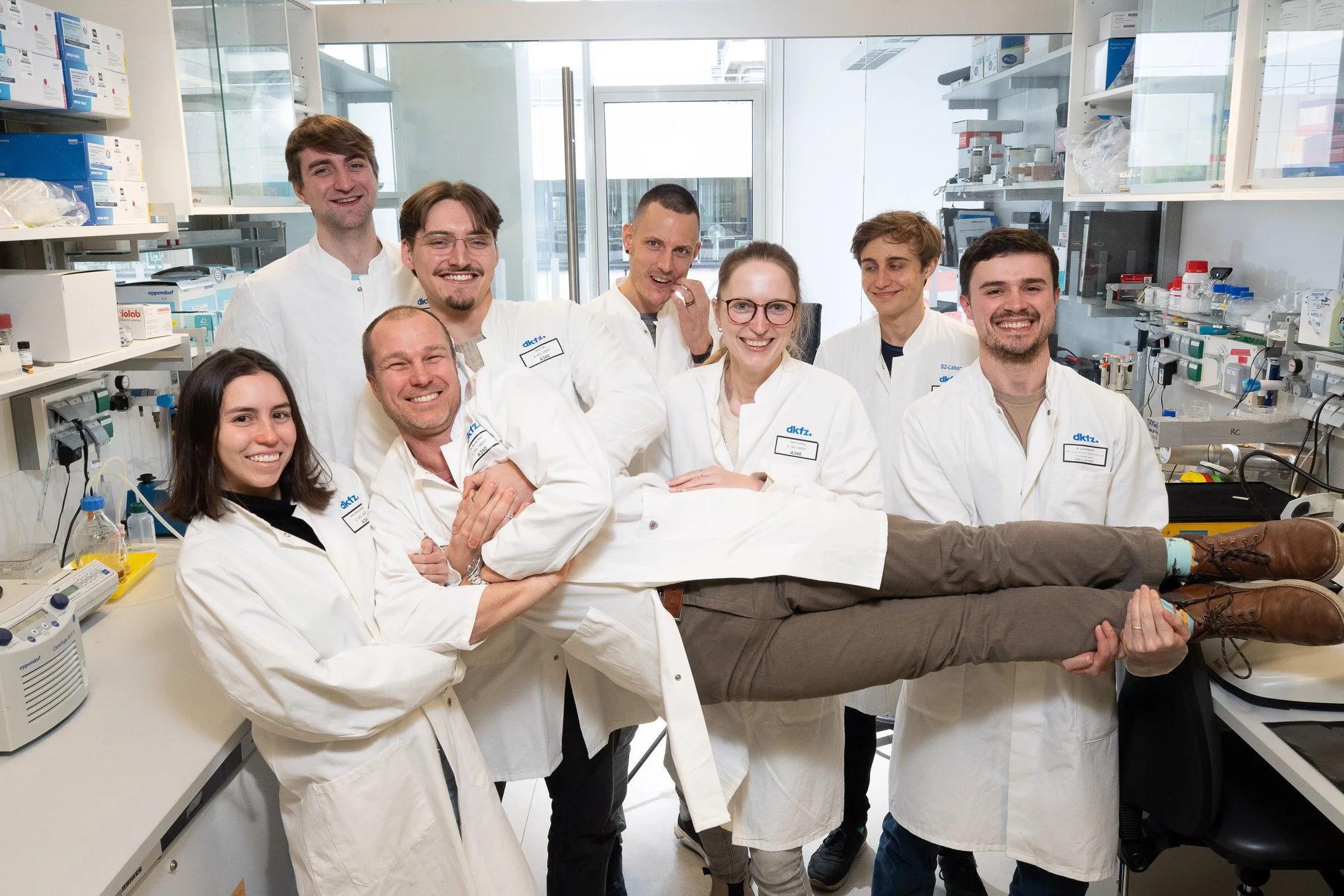
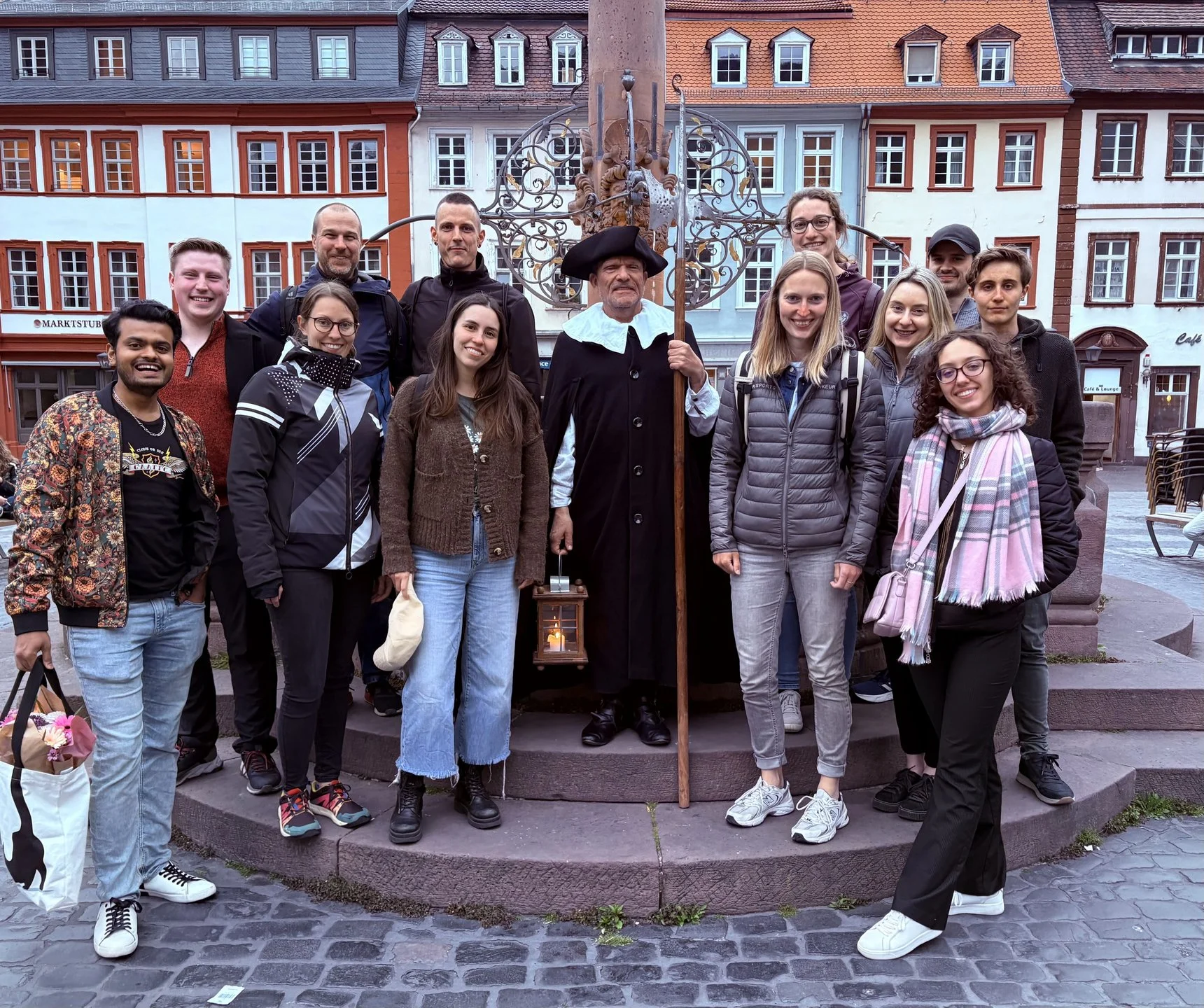
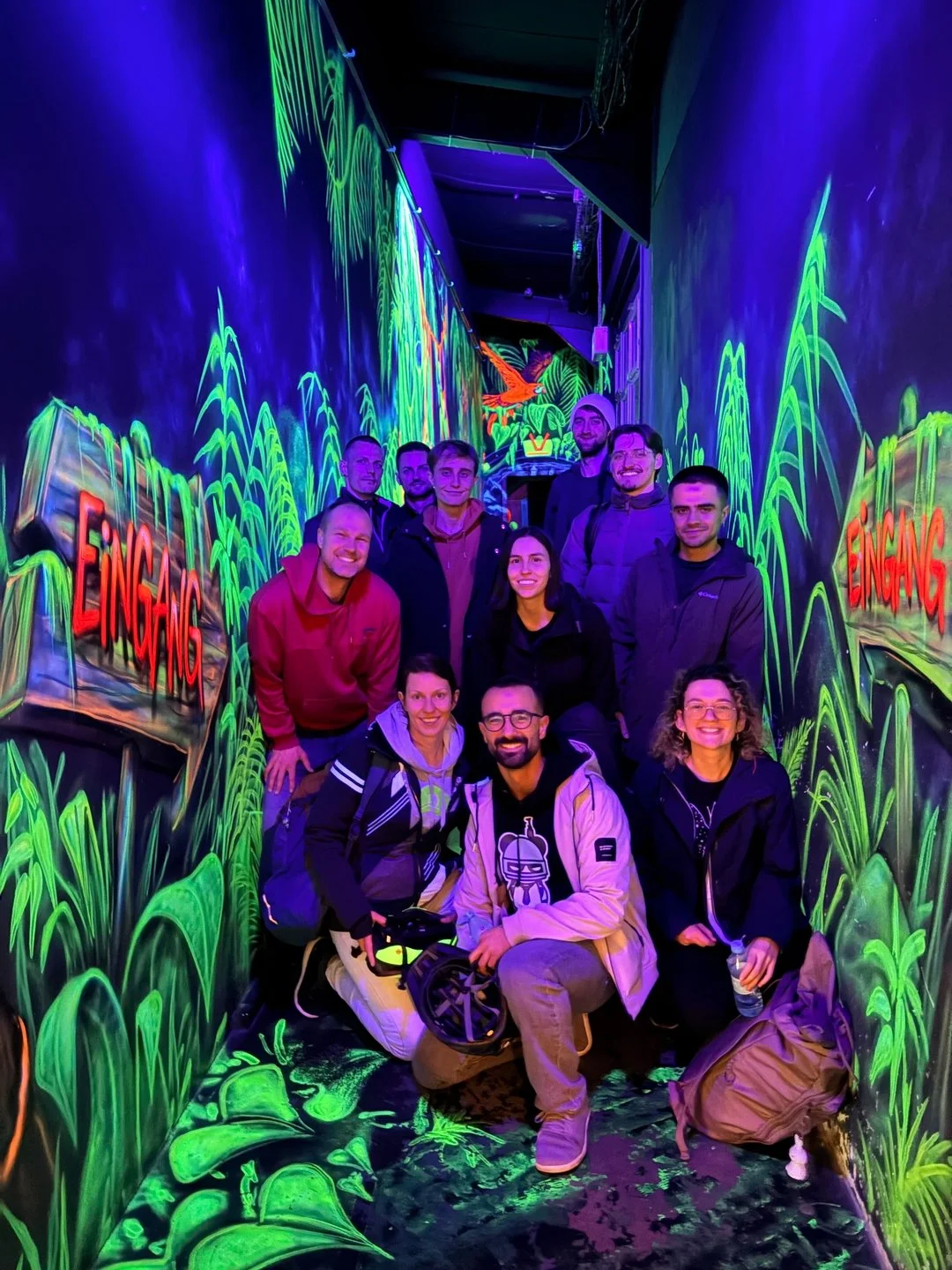
We are an international team combining stem cell biology, molecular neurobiology, cancer neuroscience, and computational biology. We believe good science is collaborative: we work closely with interdisciplinary partners across DKFZ, Heidelberg, and beyond, and we share our tools and protocols openly.

Our toolbox includes cellular reprogramming, stem cell-derived human neurons and brain organoids, conditional mouse models, chromatin profiling, single cell multi-omics, and recordings of electrical network activity.

Mentoring is central to our mission. Interested in joining? PhD students apply through the DKFZ International PhD Program, postdocs through the DKFZ International Postdoc Program or directly to Moritz Mall.

  • Employee image

    Dr. Moritz Mall

    Head of Division

  • Employee image

    Dr. Tosca Dalessi

    Postdoctoral Fellow

  • Employee image

    Lennart Dignas

    Master Student

  • Employee image

    Güniz Göze Eren

    Postdoctoral Fellow

  • Employee image

    Tim Kindinger

    Lab Manager

  • Employee image

    Dylan Knopf

    Trainee

  • Employee image

    Louis Masclef

    Postdoctoral Fellow

  • Employee image

    Laura Rueda Gensini

    PhD Student

  • Employee image

    Nathan Trausch

    PhD Student

  • Employee image

    Jule Truberg

    PhD Student

Selected Publications and Preprints

2025 - bioRxiv
2025 - Nature Genetics
2023 - Molecular Psychiatry
2017 - Nature
All Publications

The Mall Group in the News

Alumni

Many people have shaped this lab since 2018, from interns and master's students to PhD students and postdocs. Here is where they went next. 

Get in touch with us

Employee image

Dr. Moritz Mall

Head of Division
Form

Form data is loaded ...