1. Hauptnavigation
  2. Navigation des Hauptbereiches
  3. Inhalt der Seite

Cancer Genome Research


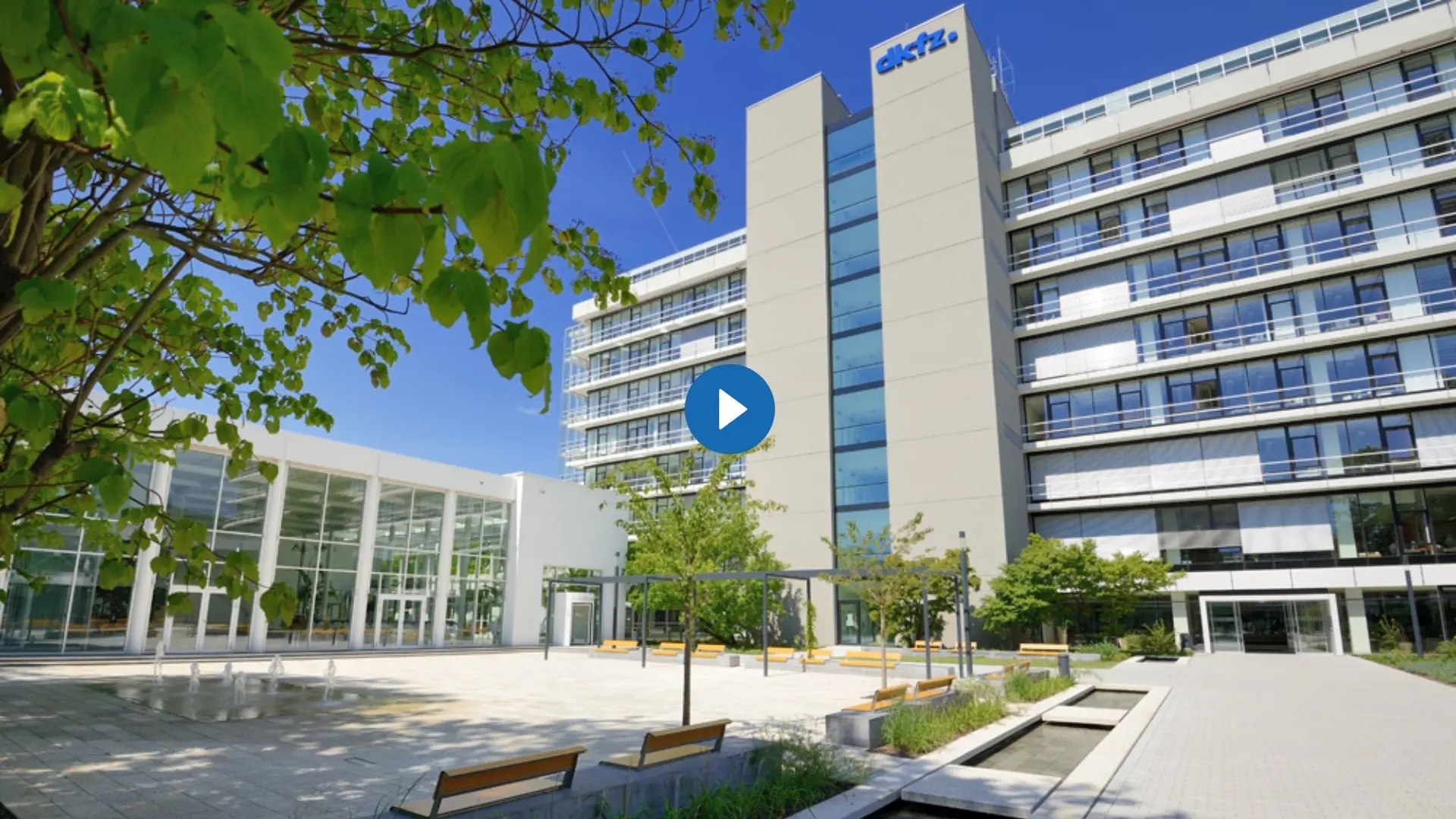
© dkfz.de

Head: PD Dr. Holger Sültmann
Senior Scientists and Postdocs: Dr. Ruprecht Kuner, Dr. Julia Starmann, Dr. Daniela Wuttig, Dr. Lukasz Kacprzyk
PhD students: Mark Laible, Helen Hülsmann, Holger Armbruster, Sajo Kaduthanam
Technical assistants: Sabrina Balaguer, Jennifer Metzger, Denise Keitel

Contact address:
PD Dr. Holger Sültmann
DKFZ and NCT Heidelberg
Im Neuenheimer Feld 460
69120 Heidelberg, Germany
Tel.: ++49 6221 565934
Fax: ++49 6221 565382
E-Mail: h.sueltmann@dkfz.de
(Directions)


Cancer cells are genetically different from normal cells and exhibit aberrant gene expression. A detailed knowledge of the changes in gene expression typical for certain types and stages of tumors provides potential molecular markers for diagnosis and prognosis and can give insights into the molecular changes involved in disease development and progression.

Next Generation Sequencing of cancer genomes and transcriptomes

Epithelial tumors carry highly diverse genetic, epigenetic and transcriptomic alterations. The identification of the somatic mutation patterns may open up new strategies for treatment decisions on the level of the individual patient. With the rapid development of DNA sequencing technologies in recent years, genome-wide analysis of mutations in tumors has become possible.
We are co-coordinating one of the German consortia within the International Cancer Genome Consortium (ICGC). Our collaborative project aims at the identification of genomic, epigenomic and transcriptomic variations in 250 young patients suffering from prostate cancer (The Genomes of Early Onset Prostate Cancers, funded by the BMBF).

Screening for and validation of genes in health and disease

The microarray technology is a high throughput method that allows the simultaneous determination of the expression levels of thousands of genes and miRNAs. In using this technology, our main objective is to gain insights into the correlation of genes as well as metabolic and signalling pathways with tumor development and progression. We compare the gene expression data with clinical, histological, and cytogenetic data in order to find new (sub)classes of tumors and prognostic markers. Selected markers are validated using a panel of different technologies.

Analysis of gene and protein function

The data resulting from our high throughput screening projects in solid tumors are utilized to analyze the effects of selected wild type and mutant genes in vitro. To this end, we utilize gene overexpression or RNAi- and miRNA-mediated gene knock-down in cell culture systems. The effects of these modifications are analyzed using a diverse set of established cellular assays, genome-wide microarrays, and quantification of proteins and protein phosphorylations.

All statistical analyses as well as network modeling approaches are performed by an integrated team of computational scientists in close collaboration with the Division of Theoretical Bioinformatics at DKFZ.


Former group members:
Stephan Gade, Sara Myers, Dr. Maria Fälth, Tatjana Andrasiuk, Dr. Rainer Will, Dr. Marc Johannes, Dr. Jan Christoph Brase, Dr. Stephanie Wittig-Blaich, Dr. Melanie Bewerunge-Hudler, Rita Schatten, Angelika Wörner, Thorsten Kühlwein, Dr. Nicole Chui Pressinotti, Dr. Caroline End, Prof. Dr. Tim Beißbarth, Dr. Alberto Calabró, Dr. Mark Fellmann, Dr. Christian Löbke, Dr. Markus Ruschhaupt, Dr. Van Duc Luu, Dr. Michael Stojanov, Andreas Buneß, Dr. Claudia Heine, Prof. Dr. Holger Fröhlich, Prof. Dr. Achim Tresch, Dr. Jörg Schneider, Dr. Katharina Finis, Dr. Wolfgang Huber, Dr. Markus Vogt, PD Dr. Florian Haller, Gabi Rottsahl, Claudia Grosser

Support:
German Federal Ministry for Science and Education (BMBF)
German National Genome Project (NGFN)
Deutsche Krebshilfe
Österreichische Nationalstiftung
Austria Wirtschaftsservice (AWS)

last update: 05/04/2012 back to top