Cancer Drug Development
- Cell and Tumor Biology

Dr. Aubry Miller
Group Leader

Dr. Peter Nikolas Gunkel
Group Leader
The translation of new cancer research findings into novel therapeutics is fundamental to the path toward A Life Without Cancer. The Cancer Drug Development Group takes the first step on this path: discovering and developing small molecules precisely tailored to inhibit specific oncogenic proteins and target individual hallmarks of cancer.

Our Research

We use and share these bespoke small molecule probes as research tools to address unanswered biological questions (e.g. DKFZ-748). Additionally, we advance our inhibitors to lead substances for subsequent drug development projects (e.g. DKFZ-682). Research in our group spans target identification and validation, assay design for screening campaigns, chemical synthesis for hit-to-lead and probe optimization, and the establishment of cellular assays to evaluate the efficacy and mechanisms of action of our inhibitors.
The ideal outcome for our projects is a proof of concept in animal models, forming the foundation for development initiatives supported by public and private funding. With extensive expertise in the strategic and technical aspects of drug discovery, our team is target-class agnostic and we regularly collaborate with DKFZ colleagues seeking to translate their research into small molecule inhibitors or therapeutics.
Team
Our team is an interdisciplinary group of cell biologists, biochemists, and synthetic organic chemists, working together to discover and develop new small molecule probes and drug leads.
- Show profile
Dr. Aubry Miller
Group Leader
-
Dr. Peter Nikolas Gunkel
Group Leader
-
Nicole de Vries
Technician
-
Franziska Deis
Technician
-

Dr. Roman Kurilov
Bioinformatician
-
Dr. Hana Nuskova
Postdoc
-
Luka Obradovic
PhD Student
-
Hannelore Pink
Technician
- Show profile
Dr. Heiko Rebmann
Postdoc
- Show profile
Nick Richert
PhD Student
-
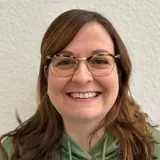
Jasmin Rogalski
Technician
-
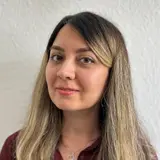
Dr. Sara Zahedi
Postdoc


Synthesis Club

Our Synthesis Club meets every two weeks to discuss strategies and mechanisms by studying recent or classic syntheses. Feel free to contact Aubry (see below) if you would like to participate.
You can find the quizzes here.
Get in touch with us

